Europe's Best Dog-Friendly Beaches for Your Holiday
Which European beaches truly welcome dogs, and what rules apply? A guide to the best beaches for a holiday with your four-legged companion.
TravelFeelings Editorial Team
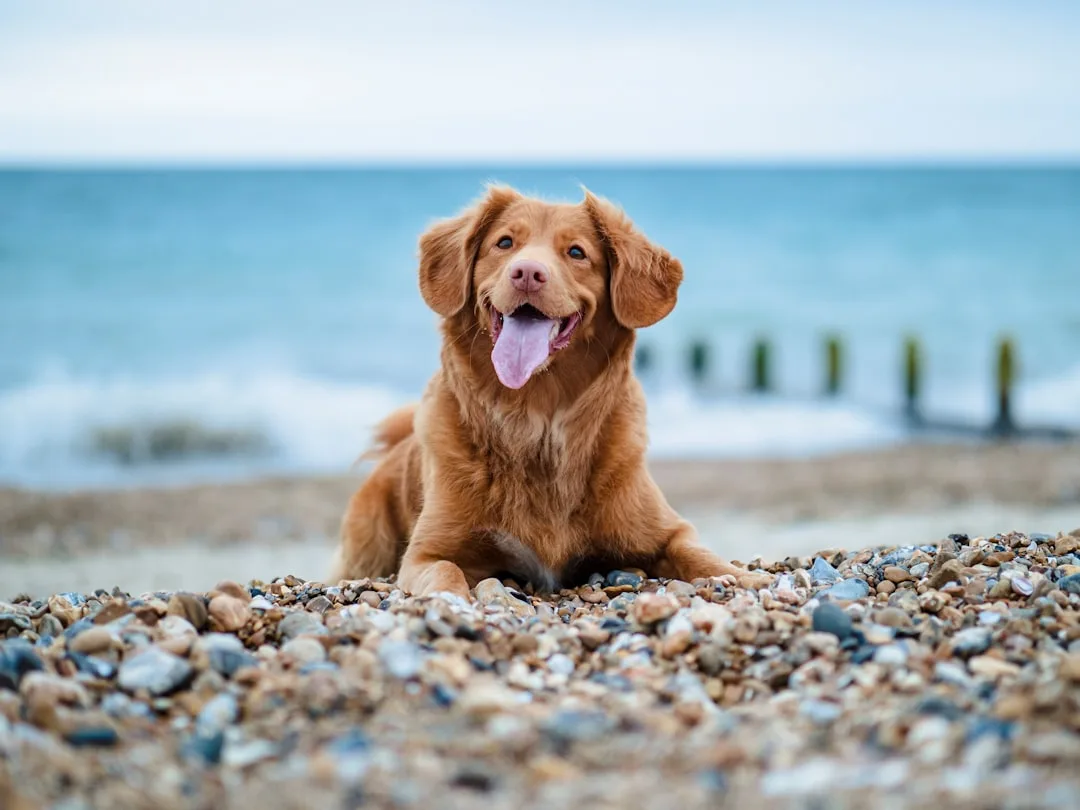
A beach holiday with your dog sounds like the ultimate summer freedom for any dog owner. The image of digging your toes into the sand together and splashing in cool water is compelling for good reason. But while the ideal is tempting, reality often demands closer inspection. Not everywhere is welcoming. Not everywhere is safe. And regulations vary significantly from country to country.
This guide focuses on practical matters: Which European beaches genuinely welcome dogs? What regulations apply? What do you need to know before departing? The good news: numerous excellent alternatives exist where you can let your dog swim in the sea without constant anxiety. This guide shows you the best options, whether you’re traveling with family or just you and your four-legged companion.
Europe’s Best Dog-Friendly Beaches
European coastlines offer remarkable diversity—not just for people. Some beaches have deliberately positioned themselves as dog paradises; others are well-established destinations for four-legged visitors through tradition.
France leads the list. Plage de la Salie Sud in southwestern France ranks among Europe’s best dog beaches with ratings exceeding 90 points. This nearly 2.5-kilometer stretch of undeveloped sandy beach is flanked by pine forests and offers plenty of space for dogs without feeling crowded. The rules are straightforward: dogs often run off-leash, at least outside peak season. Paris and France’s western coast are generally popular with dog owners.
Portugal proves equally welcoming. Praia do Cabedelo near Viana do Castelo on the northern coast features golden sand and sits just 1.7 kilometers from town. With a dog-friendliness rating near 85 points, this beach appeals to humans as well as canines. In the morning, you can have large sections of the beach virtually to yourself with your dog.
In the United Kingdom, Holkham Beach in Norfolk deserves mention. With over 6 kilometers of sandy beach stretching across 10,000 hectares of nature reserve, dogs have the freedom they were born for. Most of the beach welcomes dogs year-round; only during peak season (typically May through September) do certain zones require leashes.
Denmark’s Fanø Beach is a hidden gem for longer vacations. This 15-kilometer island coastline consistently welcomes dogs, with dunes and mudflats to keep your dog engaged. Dogs are welcome without major restrictive rules.
In Italy, the situation is more mixed. San Vincenzo in Tuscany offers dog beaches where your four-legged friend can roam unleashed in soft sand. In Sardinia, Porto Quadro in the north stands out: it’s one of the few beaches worldwide where dogs are not only allowed but practically required—an unusual yet charming quirk.
Germany has made significant strides in recent years. Along the Baltic Sea Coast, Grabow Bay is a classic spot with strong ratings. On the North Sea coast, Sankt Peter-Ording offers more than one kilometer of designated dog beach with beach chair rentals and even dog showers. On Rügen, you can socialize with plenty of dogs in Juliusruh, Göhren, and Binz—without mandatory leashes.
Spain’s offerings are smaller but more targeted. Playa de L’Ahuir in Gandía (Valencia region) is a broad sandy beach where dogs run freely year-round. In Spain, this is the exception, not the rule.
Regulations and Seasonal Variations
European beaches regulate dogs differently—some generously, some restrictively. Understanding these differences is essential for planning.
France and Portugal are permissive. Off-leash freedom is possible in many cases, with few or no seasonal restrictions. You can usually determine which zones are open once you arrive.
Scandinavia (Denmark, Sweden) consistently welcomes dogs. They’re accepted on most beaches; leash requirements vary by location but tend to apply mainly during summer months rather than year-round.
Germany handles it regionally. Many Baltic beaches are designated dog beaches with varying leash requirements. Peak season (June–August) may impose leash rules; outside these months they often don’t apply. Check with the local tourism office.
Italy is mixed. While some beaches (like San Vincenzo) are entirely open, other operators enforce anti-dog rules. Verify in advance or ask your hotel.
Spain allows dogs primarily in low season (October to May). High season often excludes dogs—exceptions exist like Gandía, but they’re rare. For more inspiration, check our guide to hidden beaches in Europe.
Greece and Cyprus offer little welcome for dog owners. In Greece, dogs may access only wild, undeveloped beaches, not organized beaches with other swimmers. Cyprus generally bans dogs from public beaches, though limited dog-designated areas exist.
Croatia enforces a drastic rule: mid-May through end-September (peak summer) bans dogs from most beaches. This is difficult to navigate if you’re planning a summer beach holiday.
What You Need Before Departure
Driving offers many advantages when traveling with a dog. The flight situation in Europe has tightened as of 2026: many airlines accept dogs only with considerable logistical effort (Lufthansa, KLM, Air France accept them; Ryanair and EasyJet do not). Flights often take longer than previously due to airspace closures over the Middle East and Russia, adding extra stress for your dog.
EU regulations have been standardized since 2026: your dog requires a microchip, valid rabies vaccination (at least 21 days before travel), and an EU pet passport. Clarify these matters well before departure—your veterinarian can assist.
Pack plenty of water (your dog should never drink seawater—it causes digestive upset) and sufficient food for the entire trip if you’re unsure whether your dog’s regular food is available locally. Waste bags are obvious, but here’s an often-overlooked point: many beaches lack dog showers. A portable spray bottle or wet wipes help rinse away salty urine and dried sea salt from the coat.
Acclimatize your dog to heat. Many European beach regions are difficult for dogs in July and August—the southern Mediterranean coast is often too hot during the day. If planning southern countries, choose May, June, or September when temperatures are more moderate.
Bring a smaller water container so your dog can drink anytime. And remember: not everyone likes dogs, and not all beaches share the same culture. Keep your dog under control, be mindful of other swimmers, and clean up after yourself.
Practical Tips for a Relaxed Beach Holiday
Scout beaches beforehand. Use online forums, local blog posts, and Facebook groups for dog travelers. They often show real beach photos and offer insider tips that no guidebook provides.
The best travel times are May through June or September through October. Temperatures are pleasant, fewer tourists mean less stress for your dog, and regulations are often more permissive outside peak season.
Rental prices vary significantly by region. In Germany and Scandinavia, vacation home lodging ranges from $30 (approx. €27) to $170 (approx. €155) per night. Hotels cost more ($50–$550 depending on amenities); campsites are cheaper ($30–$90). Portugal and Spain offer similar prices with often better weather.
Bring plenty of patience. Some dogs aren’t accustomed to spending extended time in sand. Start with shorter beach days and observe how your dog reacts to sun, saltwater, and unfamiliar activity.
Be cautious with food scraps and debris. Beaches, especially tourist spots, can harbor litter—broken glass, bottle caps, even old fishing line. Your dog shouldn’t eat everything it finds in the sand.
France, Portugal, and the Scandinavian countries ask the least of dog owners, and even the Mediterranean works if you avoid the summer bans and the midday heat. Check the specific beach before you travel, stay flexible about the season, and the trip stays manageable for you and the dog.