Guide
Autumn City Breaks: European Gems Away from the Crowds
Discover Europe's cities in autumn without crowds. Architectural masterpieces and hidden gems for the culturally curious traveler.
TravelFeelings Editorial Team10 min.
France
Paris draws millions annually but offers far more than Eiffel Tower and Louvre queues: hidden courtyards in the Marais, biergartens in Belleville, and inventive food away from tourist traps.
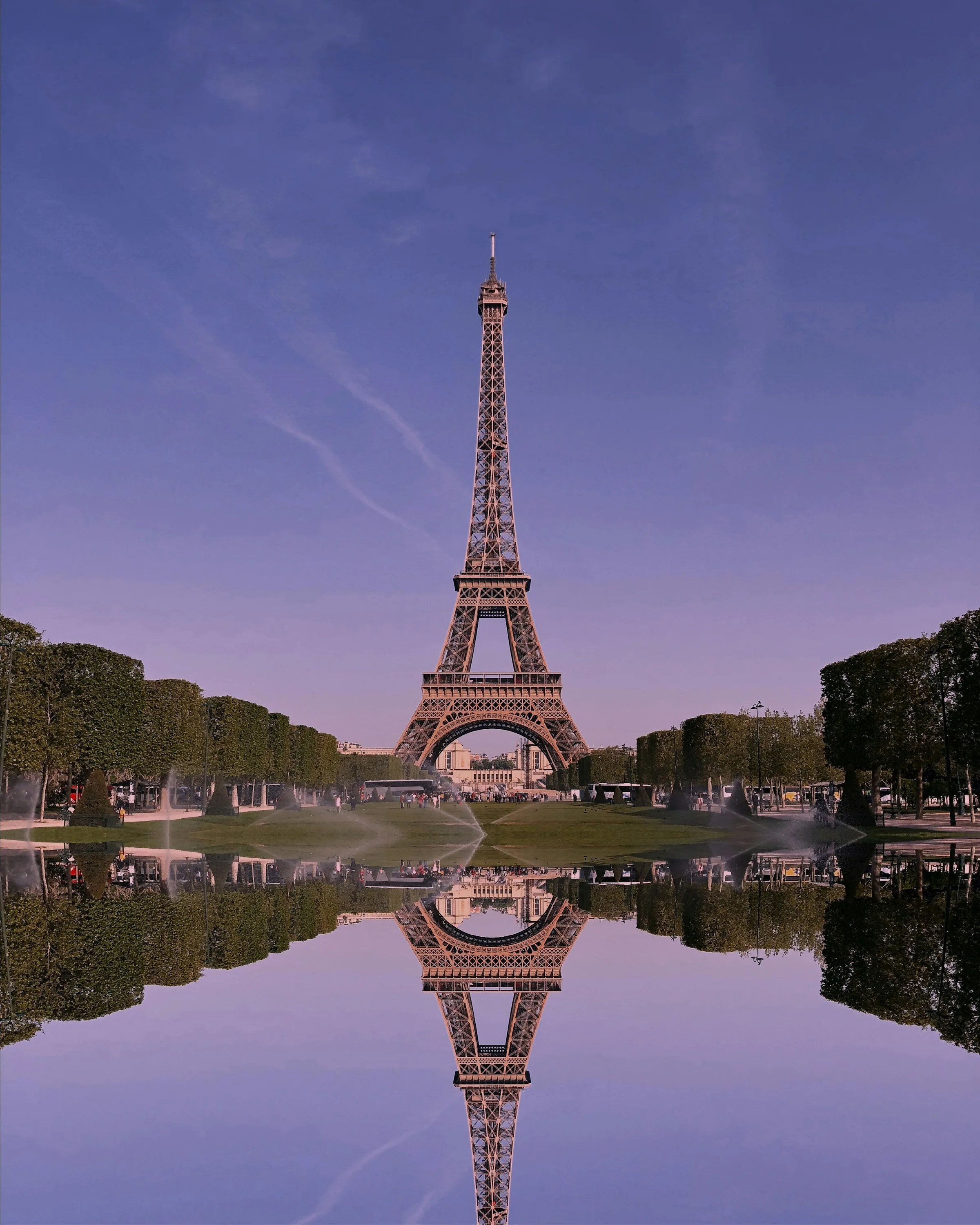
The Eiffel Tower dominates Paris’s skyline and daily draws thousands. The observation decks offer panoramic views across the Seine; entry costs $17–42 USD ($14.80–36.70 EUR) depending on your choice of stairs or elevator and level. Tip: arrive early morning or after 7 PM to avoid peak crowds. Book online — summit slots at sunset sell out quickly.
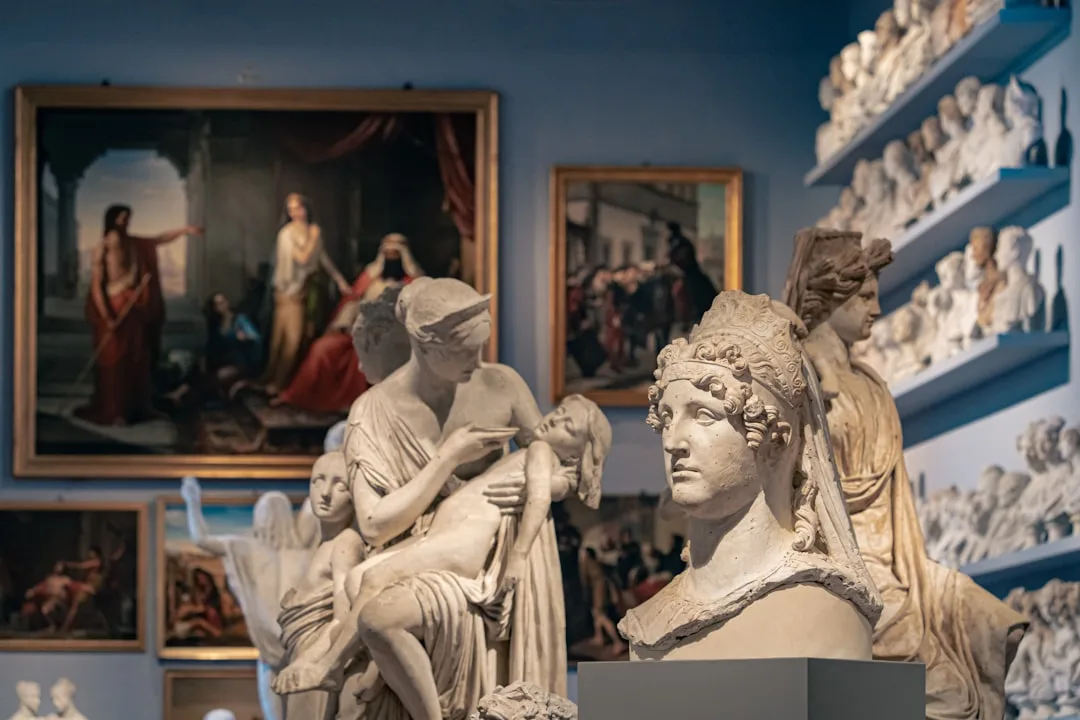
The Louvre holds over 36,000 artworks and is the world’s most-visited museum. The Mona Lisa draws lines, but Egyptian antiquities and French sculptures often reward deeper exploration. Entry is $25 USD (22 EUR); EU citizens under 26 enter free. Buying timed tickets online is mandatory, especially midday.
Notre-Dame was damaged by fire in 2019; the facade is currently under restoration and viewable from outside, while interior access remains limited. The Gothic architecture remains striking from the street.
Musée d’Orsay specializes in Impressionist and Post-Impressionist work. The former railway station itself is an architectural landmark. Works by Monet, Renoir, and Van Gogh anchor the collection.
Sacré-Cœur crowns Montmartre with its white dome. The interior is contemplative and serene; the steps outside offer a classic view extending toward the Eiffel Tower on clear days.
The Arc de Triomphe stands at the western end of the Champs-Élysées. Its observation deck reveals the twelve radiating avenues emanating from this nexus. Entry is approximately $16 USD ($15 EUR).
Sainte-Chapelle is a Gothic jewel renowned for stained-glass windows of unmatched beauty. The structure is compact but houses handcraftsmanship surpassing many larger cathedrals. Entry around $13 USD ($12 EUR).
Versailles lies 19 miles southwest and is reachable via RER Line C in 40 minutes. The sprawling palace and gardens demand a full day; entry starts around $22 USD ($20 EUR) for the rooms; garden admission sometimes free.
Giverny is the village where Claude Monet lived and painted. His water gardens with the iconic green bridge remain preserved. Access: train to Vernon (37 miles northwest), then shuttle. Entry approximately $13 USD ($12 EUR).
Chartres is famous for its UNESCO cathedral with immense rose windows. The town lies 50 miles southwest and is reachable by regional train in 75 minutes. The Gothic engineering is masterful.
Disneyland Paris opens 20 miles east. Access is via RER Line A plus connecting bus, roughly 60 minutes total. Check schedules — entry varies seasonally between $90–180 USD ($80–160 EUR) per day.
The Promenade Plantée is a greenway built on a former railway viaduct. It stretches 2.9 miles from Bastille to Bois de Vincennes, combining nature with urban calm while largely escaping mainstream tourism.
Buttes-Chaumont park features natural terrain, a waterfall, and lookout points. The northeast location draws far fewer visitors than Bois de Boulogne; Parisians frequent it daily.
The Marais is an ancient noble quarter with cobbled streets and historic passages. Passage de la Maison Blanche and Rue des Guillemites show 17th-century architecture. Small cafés and galleries line the walkways.
Belleville hosts street-art murals, artist studios, and socially conscious wall paintings. The art scene thrives; food halls and independent shops contradict the luxury-brand image of classical Paris.
April and May bring temperatures between 59–70°F (15–21°C), moderate rainfall, and increasing sunshine. Autumn (September–October) mirrors these conditions: pleasant warmth, falling leaves, fewer crowds than summer.
June through August sees peak season with temperatures above 77°F (25°C). Heat is tolerable, but streets and museums overflow. Public transit strikes are statistically more frequent these months and can disrupt daily plans.
November through March is cool (32–50°F / 0–10°C) and wetter. Snowfall is possible but rare. Winter decorations and Christmas markets (December) offset the chill; less tourist competition exists.
| January | February | March | April | May | June | July | August | September | October | November | December |
|---|---|---|---|---|---|---|---|---|---|---|---|
| Low | Low | Low | Sweet Spot | Sweet Spot | Peak | Peak | Peak | Sweet Spot | Sweet Spot | Low | Low |
8° 1° | 9° 1° | 12° 3° | 16° 6° | 21° 10° | 25° 13° | 27° 15° | 26° 15° | 22° 11° | 17° 8° | 11° 5° | 7° 2° |
Laïcité (secularism) is a core French principle. Religious symbols are deliberately minimized in public spaces. Religion is treated as a private matter.
The word “Bonjour” (hello) is both greeting and mandatory courtesy. Every shop, café, and interaction should open with “Bonjour” — omitting it is considered rude. “Bonsoir” (good evening) from 6 PM onward carries equal weight.
Lunch break (1–2 PM) is institutionalized in many businesses. Restaurants close between lunch and dinner service; shops and government offices often shut during this window. Schedule errands before noon or after 2 PM.
French table manners are formal. Dining is ritual, not fuel consumption. Waiters move deliberately — a mark of professionalism and attentiveness, not neglect. After eating, wait for the server to bring the bill; rushing signals rudeness.
Fashion awareness runs high. French aesthetic favors “neutral-elegant” (grays, black, cream) over loud colors. Oversized athletic wear or casual athletic gear reads as out of place.
Pickpocketing is Paris’s most common crime. Metro Lines 4, 9, and 13 are hotspots, as are crowds around the Eiffel Tower. Keep rucksacks in front; leaving bags open invites theft.
The “petition scam” is widespread. Strangers approach with a clipboard claiming to petition for an NGO cause; once you sign, they solicit monetary donations or request valuable items like watches. Politely decline and move on.
The Champs-Élysées is a price trap. Restaurant and café prices run four times higher than side streets. Few Parisians eat there — for good reason.
Pressuring staff is perceived as rude. Slow service is convention, not negligence. Impatience often leads to slower subsequent service.
As of 2024, TGV train luggage is restricted: suitcases must not exceed 43×24 inches (110×60 cm). Oversized bags trigger delays or boarding refusal.
Paris has two major airports: Charles de Gaulle (CDG, 16 miles northeast) and Orly (8 miles south). CDG is larger; both connect efficiently to the city.
The Métro runs 16 lines across 300+ stations. A single ticket costs $3 USD (2,55 EUR) and permits unlimited transfers. Electronic payment is standard — paper cards phased out in 2026.
The RER is faster for longer routes (e.g., to airports). RER B from CDG takes 30–35 minutes downtown for $13 USD (11,50 EUR). RER C reaches Versailles in 40 minutes.
The Navigo daily pass costs $14 USD (12,30 EUR) and covers all zones and all transit types (Metro, RER, bus, tram). A weekly pass is $37 USD (32,40 EUR) for 7 calendar days.
Vélib is the bike-sharing system with 1,900 stations. A day pass is about $9 USD (8 EUR); longer subscriptions are cheaper. Bikes are well-maintained and reliable — ideal for short distances.
Over 100 streets prohibit cars. Paris is highly walkable; many attractions cluster closely. Comfortable walking shoes are essential.
Taxi from the airport costs $40–70 USD (35–60 EUR) depending on traffic. Uber and similar services exist but are not cheaper. Public transit is the most economical option.
US and EU citizens need no visa for stays up to 90 days. A valid passport or national ID is required. Documents expired for less than one year are accepted.
Currency over $10,500 USD (10,000 EUR) must be declared on entry or exit. This applies to cash and equivalent payment instruments.
US health insurance rarely covers overseas treatment. EU citizens with EHIC cards receive recognition; nonetheless, travel insurance for medical emergencies, luggage loss, and trip cancellation is wise.
The US driver’s license is valid in France. Highways charge tolls (approximately $0.11 USD per kilometer / 0,10 EUR). In-city parking is expensive and complex — avoid renting a car within Paris.
No vaccinations are required for entry. Routine immunizations (tetanus, measles) are advisable.
Tap water in Paris is clean, high-quality, and potable. Bottled water purchased in stores is unnecessary.
Doctors and pharmacies are ubiquitous and meet European standards. Medical care is readily accessible.
The 2024 Economist Intelligence Unit ranks Paris 23rd safest globally. Terrorism alert levels have risen since 2024; enhanced screening at airports and public venues is routine.
Germany’s Foreign Office warns of occasional strikes that can paralyze public transit. Transport disruptions may arise unexpectedly — planning flexibility is wise.
Pickpocketing remains the chief crime risk. Vigilance in the Métro, at tourist sites, and in queues is necessary.
Discover Europe's cities in autumn without crowds. Architectural masterpieces and hidden gems for the culturally curious traveler.
Discover Europe's best cultural museums and galleries beyond the Louvre. Essential institutions and hidden gems across London, Vienna, Amsterdam, and more.
A short trip need not be superficial. With deliberate route planning, you discover the cultural and architectural substance of Europe in three days — not merely the facades.
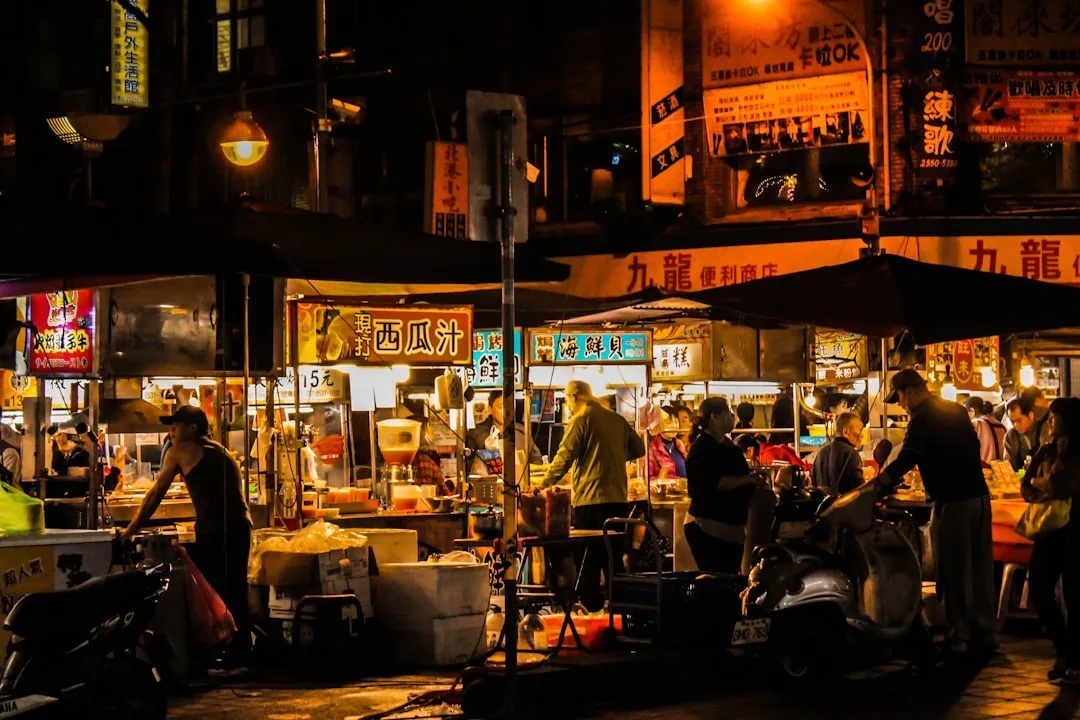
To truly understand a city, spend time in its markets. Street-food cultures reveal urban history, local identity, and social structures in immediate ways.