Hidden European Beaches: Quiet Alternatives
Lesser-known beaches across Europe with fewer crowds. Practical information on access, best seasons, and on-the-ground facilities.
TravelFeelings Editorial Team
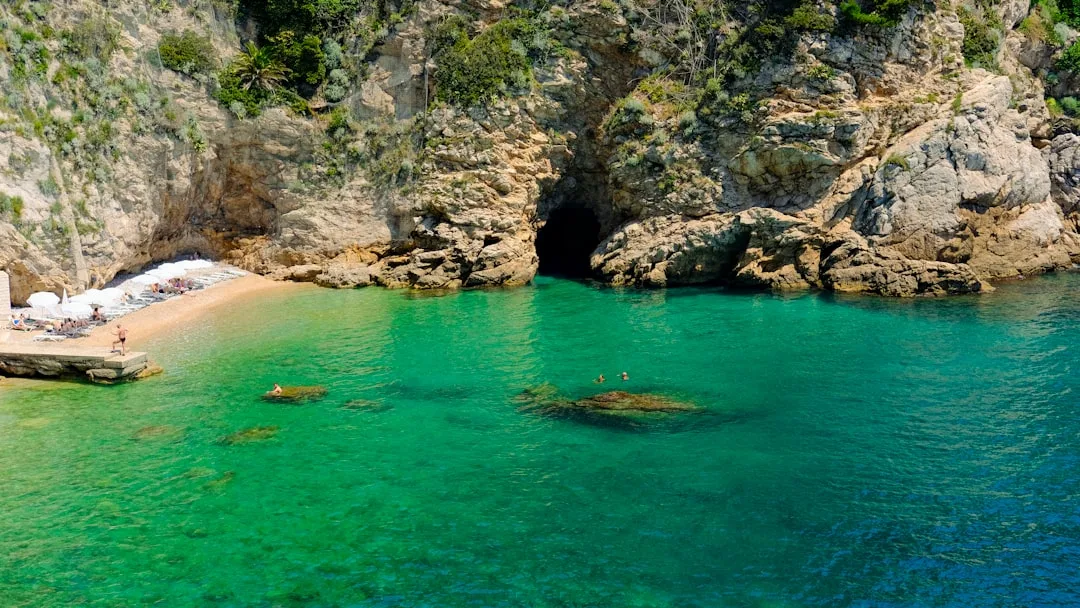
Europe’s most popular beaches are overwhelmed in summer. The Costa Brava resembles an open-air parking lot, Greek islands receive day-trippers like concert attendance, and even remote Portuguese coves fill with vacation crowds. The reality: Anyone wanting to swim at well-known beaches in July and August should expect beach conditions comparable to a municipal pool. Lesser-known European beaches offer an alternative — though not without conditions that require careful planning.
Greece: Beyond Mykonos and Santorini
The standard hotspots are no secret. More practical: explore the eastern and northern islands and remote coves on larger islands.
Xerokambos, Crete
Xerokambos sits on the southeastern coast, accessible via a 30-kilometer unpaved road from Sitia. The beach stretches six kilometers and remains mostly empty. Trade-off: zero infrastructure — no restaurants, no sunbeds, no shade except natural rock formations. Important: The last village with supplies (Makrygialos) sits 25 kilometers away. Ideal for travelers with self-catering transportation. Best time: May to June or September to October — July and August temperatures reach 38 degrees Celsius.
Old Alykanas Beach, Zakynthos
Old Alykanas Beach occupies the northern island section, away from tourist hotspots like Laganas. The beach is wide, sandy, and sees fewer visitors. Reason: Located off the main road with narrow access routes. Nearest taverna is 200 meters away; sunbeds and umbrellas are available for rental. Water is warm and shallow — suitable for swimmers of all levels. Note: Zakynthos fills completely in August; September offers identical conditions with substantially fewer tourists.
Makris Gialos, Zakynthos
Makris Gialos in the north is another option. The beach has sunbeds but retains a local character. Access requires a steep road; parking is limited. Nearby taverna areas provide supplies. The current can be moderately strong in some areas — not ideal for weak swimmers.
Spain: North of the Usual Tourist Circuits
Cala Macarelleta, Menorca
Cala Macarelleta is a small cove on the southeastern coast, reachable from the larger Cala Macarella via a 20-minute walk. The cove is pine-clad with crystalline water. Caveat: The beach is narrow — more than 50 visitors and it feels crowded. Best visited 7 to 9 a.m. Infrastructure is 20 minutes away at the larger cove.
San Antolin, Llanes (Asturias)
San Antolin sits on Spain’s northern coast, far removed from Mediterranean tourism machinery. The beach is dramatic: high limestone cliffs, heavy surf, golden sand. Access requires a steep staircase from Llanes town (10-minute walk). Water is significantly colder than Mediterranean standard — 15 to 17 degrees Celsius in summer. Ideal for water sports enthusiasts, less so for traditional sunbathers. The region offers good infrastructure (restaurants, hotels) and is less crowded than southern Spanish resorts.
Sa Riera, Costa Brava
Sa Riera is a small fishing village with its own beach. The location maintains local character — fishing nets and boats are everywhere. Water is calm and shallow. Underwater caves and shipwrecks nearby attract divers. Infrastructure is practical (simple restaurants, no mass tourism). The beach is long enough to spread out, even on good days.
Portugal: Quality Alternative to the Algarve
Praia da Marinha, Algarve
Praia da Marinha is often hyped as “beautiful” — understandable but misleading. The beach itself is small (about 100 meters), squeezed between limestone cliffs. Access requires a steep staircase with roughly 40 steps. High summer sees 200 to 300 people in tight quarters. Practical tip: Visit before 9 a.m. or after 4 p.m. to reduce crowds by 80 percent. Proximity to Benagil Cave (accessible by boat) makes it a tourist hotspot — not recommended for peace-seekers.
Praia de Odeceixe, Algarve
Praia de Odeceixe is larger and far less visited. The beach is a generous cove between cliffs, with a freshwater stream feeding a lagoon into the sea. The cove is wide enough for 500 to 1,000 people — crowds distribute even in August. Access is a 15-minute walk from the parking area. Infrastructure exists (cafés, lifeguards in season). Water is warmer than the western coast and less rough. This is likely one of the Algarve’s best alternatives for fewer crowds.
Quarteira, Algarve
Quarteira is often overlooked because it lies between Albufeira and Faro. The beach stretches several kilometers and divides into sections. Unlike Albufeira, it stays quiet — even in July, larger sections remain half-empty. Reason: fewer high-rises, less nightlife reputation. Infrastructure is good (hotels, restaurants, beach bars) but unobtrusive. Water is calm, ideal for swimming. A practical secret that’s gradually leaking out.
Ilha da Barreta, Ria Formosa
Ilha da Barreta is an island in the Ria Formosa south of Faro, reachable by boat (30-minute journey, roughly $15 return). The beach stretches six kilometers and is usually very quiet. The island is a nature reserve — minimal infrastructure, no restaurants. Bring your own supplies. Water access is shallow and sandy — good for families. Key point: No commercial sunbeds or umbrellas; those needing shade must bring their own (beach umbrella recommended). Best seasons: May to June or September to October.
Croatia: Beyond the Island Hotspots
Pupnatska Luka, Korcula
Pupnatska Luka lies on Korcula island, the southern counterpoint to Hvar. The cove is small, surrounded by pines. The beach is stony-sandy with clear water. Access is via a rural road with available parking. A taverna with local cuisine is five minutes walk away. The location stays relatively quiet even in August — most visitors concentrate on Hvar and Dubrovnik. The cove suits snorkeling well. Note: Water is somewhat colder (20 to 21 degrees Celsius in August).
Pasjaca Beach, South Dalmatia
Pasjaca Beach is a pebble beach beneath high limestone cliffs, accessible via a steep staircase — a natural deterrent to mass tourism. The beach itself is long (200 to 300 meters) and usually empty. Zero infrastructure — no lifeguards or sunbeds. Swimmers should take safety seriously and avoid solitary swimming. Parking is roadside at the top. Ideal for travelers seeking genuine isolation.
Sveti Jakov, Dubrovnik
Sveti Jakov sits only a kilometer west of Dubrovnik’s city center but is far less visited. Reason: Access requires a steep staircase and footpath (5 minutes total from parking). The beach is stony but narrow and manageable. Proximity to the city means good infrastructure (nearby restaurants) but less peace than southern alternatives. Ideal for day-trippers combining Dubrovnik culture with swimming.
Italy: Beyond the Cinque Terre
Cala Murtas, Sardinia
Cala Murtas sits on Costa Verde west of Cagliari, accessible via unpaved road (about 30 kilometers from Arbus). The beach is wide and long — 3.7 kilometers of mostly empty sand. Water is shallow and sandy, ideal for swimming. Infrastructure: A basic beach bar is available, but only reachable by car (nearest village is 20 kilometers away). Best approach: bring your own supplies. Best seasons: April to May or October.
Spiaggia Cala Suaraccia, Sardinia
Spiaggia Cala Suaraccia is a family-friendly cove with shallow water and tree shade. The beach is small and well-maintained, popular with Italian families but not crowded. Access is straightforward with available parking. A few cafés are within walking distance. Water is warm and shallow — perfect for children. The cove is south of San Teodoro on Sardinia’s east coast, roughly an hour’s drive from Olbia.
France and Neighboring Countries
Plage de Saleccia, Corsica
Plage de Saleccia sits in the Désert des Agriates in northern Corsica and is notoriously difficult to reach. Official routes: 4×4 tour from Saint-Florent (about 60 minutes, $45-55 per person) or boat from Saint-Florent (about 20 minutes, $20). The beach is spectacular — two kilometers of white sand dunes with turquoise water. Practical reality: July and August see crowds here too because accessibility exists. Ideal visit: May to June or September to October.
Calanque d’En-Vau, Provence (France)
Calanque d’En-Vau is a small cove between Marseille and Cassis. Access is by boat only or a challenging 1.5-hour hike (steep, experienced hikers only). The beach is tiny (about 50 meters) but beautiful — high white limestone cliffs, clear water, few people. Note: High summer sees visitors too (boat rental from Cassis, $20-40). Best: early morning or September to May.
Deauville, Normandy (France)
Deauville is a harbor town with wide sandy beach and seaside promenade — entirely different from Mediterranean clichés. The beach is family-friendly with cool water (14 to 16 degrees Celsius in summer). Infrastructure is solid (restaurants, hotels, cinemas). The defining characteristic: elegant and refined rather than loud and crowded. Accessible by train from Paris (two hours). Best season: June to September; August gets busier but remains pleasant. This is less a “secret spot” than a quality alternative to southern French hotspots.
Other European Countries
East Frisian Islands, Germany
East Frisian Islands are seven car-free islands off the North Sea coast. Accessible from various departure points (Juist is most popular). Beaches are wide and sandy with cold water (13 to 15 degrees Celsius in summer). Islands feature bicycle infrastructure and suit families and hiking enthusiasts. Unlike the stereotype, expect no wine-and-sunset romance — instead mudflat walks, seals, seagull noise. Practical advantages: very affordable, easy to reach, German-speaking. Ideal year-round.
Latchi, Polis, Cyprus
Latchi is a northwestern harbor town with wide sandy beach and warm water. The beach is practically deserted outside peak season (July to August). Proximity to hiking (Akamas Peninsula) attracts swimming-and-walking tourists. Infrastructure exists (simple hotels, tavernas, local boats). Water is 25 to 27 degrees Celsius in summer — one of the warmest beaches on this list. A practical secret for budget travelers: inexpensive compared to southern European standards.
Jurmala, Latvia
Jurmala is a coastal town near Riga with wide beach and historic spa houses. Water is cold (15 to 17 degrees Celsius) but the beach is quiet and family-friendly. Proximity to Riga (30 kilometers, train connection) suits city-break swimmers. Practical: free to swim, good infrastructure, wellness options available. Unlike southern European destinations, it’s very affordable and uncrowded.
Best Seasons and Practical Notes
The pattern is consistent: crowds concentrate in July and August. June and September offer acceptable water temperatures (18 to 22 degrees Celsius in the Mediterranean, colder in the Atlantic), prices run 20 to 40 percent lower, and tourist numbers drop 60 to 80 percent. May and October tighten in southern destinations — cooler but still swimmable. April and November see Mediterranean waters below 18 degrees — unsuitable for traditional swimmers but perfect for fitness swimmers and snorkelers.
Another practical point: Many small beaches lack infrastructure. Bring drinking water, especially if the location has no restaurant. Sun protection is not optional — UV radiation is intense regardless of tourist numbers. Water shoes or flip-flops are practical for walking over pebbles or sea-urchin spines (common at southern European locations).
Final realistic expectation: True secrets are finite resources. Articles like this expose them and make them somewhat better known. Beaches on this list see fewer visitors than major hotspots, but they’re not empty. Those seeking complete isolation need to travel farther — or visit in spring and fall, when even popular places stay relatively quiet.