Italy weaves prehistoric limestone cliffs with Renaissance architecture, Roman ruins with Alpine peaks, street food with wine culture. A country overview for travelers seeking authenticity beyond mass tourism.
The Most Important Attractions
Rome requires no introduction, yet introduces itself anew with each encounter. When you first see the Colosseum, you grasp immediately that this city was not designed as an open-air museum but as a living body where history cannot be separated from daily function. The Roman Forum documents the incremental rise and gradual decline of an administrative order across centuries — not preserved behind glass but physically legible through the arrangement of stones. The Pantheon, built 128 CE, reveals its engineering genius in the oculus opening: not a decorative flourish but a structural necessity to distribute the gravitational load of its dome. The Vatican complex, encompassing St. Peter’s Basilica and its museums, contains such architectural and artistic density that many visitors traverse it only superficially. The Sistine Chapel, where Michelangelo’s ceiling depicts theological movement rather than decorative beauty, rewards sustained attention.
Venice is a geographic achievement, not a romantic fantasy. The city sits on wooden pilings driven into lagoon marshland — that this engineering feat has persisted for 1,500 years remains a testament to structural ingenuity. St. Mark’s Basilica shows Byzantine influences, reflecting Venice’s position as a maritime power bridging East and West. During acqua alta (high water), the Piazza floods, revealing the fragility of this construction; the architecture is adaptation, not victory over nature. Gondola rides are inevitably touristy, but the vaporettos (water buses) reveal the daily infrastructure of a city where water is not romantic scenery but functional necessity.
Florence is the Renaissance center without alternative. The Uffizi contains works whose technical sophistication — linear perspective, color application, compositional balance — rewards viewing the originals. Michelangelo’s David in the Accademia is not merely beautiful by conventional standards but anatomically precise in its rendering of male musculature, achieved only through rigorous body study. Brunelleschi’s dome of the Florence Cathedral (Cattedrale di Santa Maria del Fiore) represents constructive innovation — a vault without external buttressing, achieved through geometric precision. The Ponte Vecchio, despite its tourist traffic, preserves goldsmiths’ workshops showing handcraft continuity spanning 500 years.
Milan functions as both financial hub and cultural center. The Milan Cathedral is a Gothic-Baroque hybrid spanning four centuries; its marble facade is labor-intensive, its ornaments follow strict geometry rather than decorative whimsy. The La Scala opera house achieves its acoustic excellence through material properties and proportion. The Pinacoteca di Brera displays northern Italian masters (Caravaggio, Bellini) whose technique in oil on canvas exploits material properties with precision.
Naples reveals southern Italian life in its fullness. The National Archaeological Museum holds artifacts from Pompeii and Herculaneum, documenting both everyday objects (oil lamps, bread molds, coins) and artworks. Pompeii itself is not a museum but the imprint of an ancient city — you walk its streets, see frescoes in domestic dwellings, recognize how people worked and ate 2,000 years ago. Herculaneum, less crowded, preserved wooden beams and ropes through volcanic ash, revealing urban density and poverty in proximity.
Smaller places merit substantive engagement: Assisi (Basilica of San Francesco with Giotto’s frescoes), Ravenna (early medieval mosaics), Aosta (Roman urban planning in the Alps). Each site demonstrates how regional differences and historical spheres of influence shaped architectural expression.
For deeper Rome-specific knowledge, dedicated travel guides and official tourism sources provide comprehensive city-centered detail.
Day Trip Suggestions
From Rome: Pompeii and Herculaneum are accessible by train (regional express or Frecciarossa through Naples Centrale, approximately two hours total, return same day possible). The excavation sites require minimum 3–4 hours on-site; early arrival recommended. Villa d’Este in Tivoli (30 minutes by regional train) showcases Renaissance gardens with fountains and water features. Villa d’Hadrian (also Tivoli, 45 minutes) was the Roman imperial retreat, less touristy than Tivoli’s more famous gardens.
From Florence: The Chianti wine region lies an hour’s drive south. Smaller estates permit visits and tastings directly with producers (advance reservation advised). Pisa (one hour by train, Frecciarossa service) is less architecturally centered than its famous tower but contains Romanesque structures with regional character. Siena (1.5 hours by bus) displays Gothic urban planning and represents regional art schools.
From Venice: Murano is ten minutes by vaporetto; glassblowing workshops can be visited, though mass production dominates (authentic artisan operations require discernment). Burano (40 minutes) is known for colorful houses and lace-making tradition — less authentic than photographs suggest, but traditional lace production remains visible in a few workshops.
From Milan: Lake Como (one hour by train to Como) offers Alpine lakeside scenery and villa visits. Bergamo (one hour) is a city with fortified old town (Città Alta) and Lombard artistic traditions.
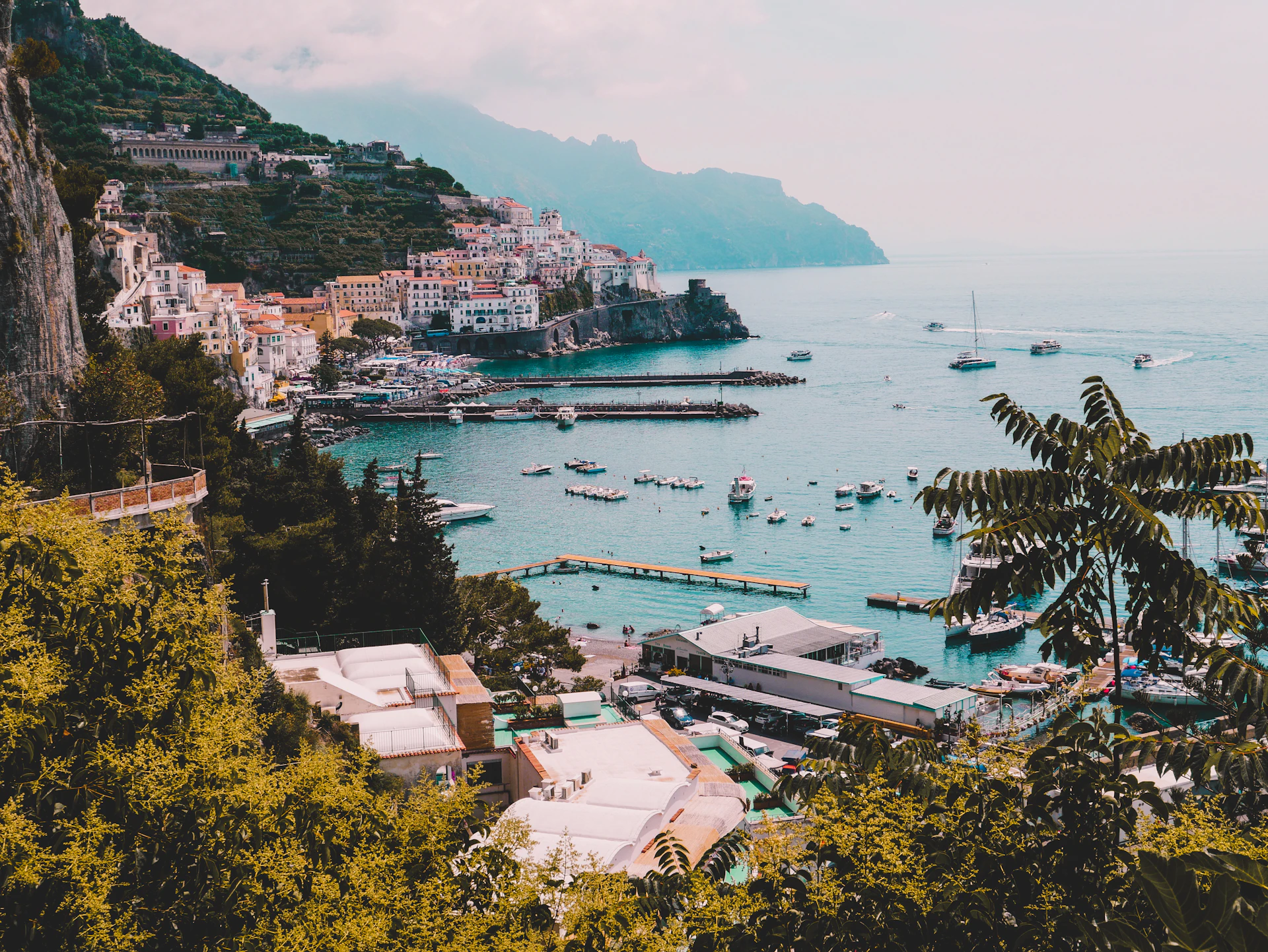
From Naples: Pompeii (24 minutes by train) has been noted. The Amalfi Coast (1.5 hours by bus or rental car, then the SS163 coastal road) is dramatic cliff-and-village landscape. Capri (ferry from Naples or Sorrento, one hour) is an island with grottoes and high-end dining culture.
Hidden Gems
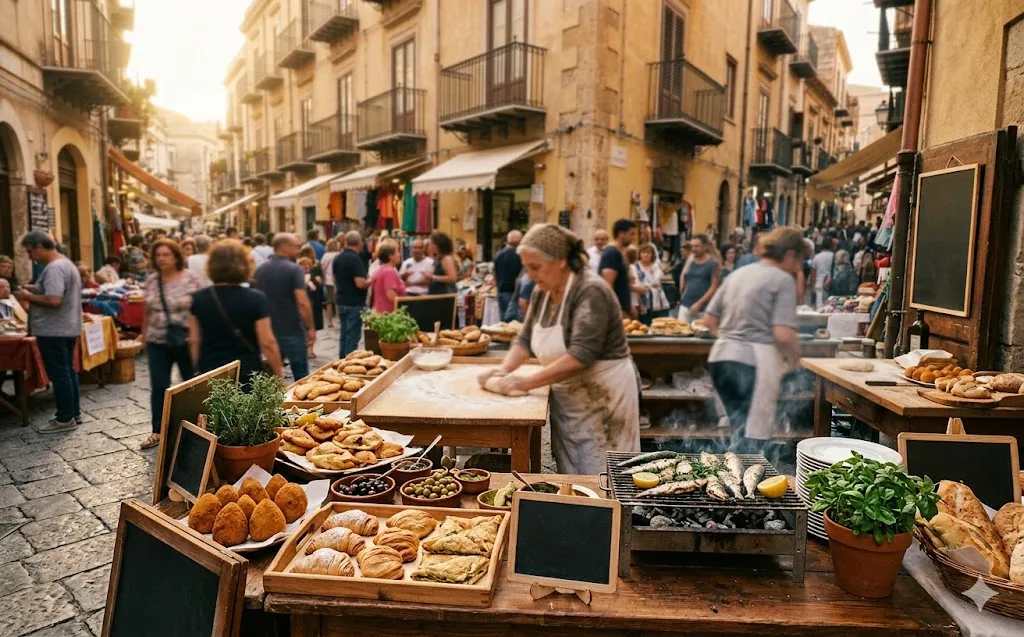
To understand Italy as a culinary landscape, bypass tourist restaurants and visit markets. The Ballarò market in Palermo documents regional food continuity across generations. Vendors sell arancini, cooked organ meats, fresh fish, and citrus following seasonal rhythms. Similar authenticity appears in Palermo’s Vucciria quarter or Rome’s Campo de’ Fiori — visit mornings (not afternoons when tour buses arrive) to observe workers, grandmothers, and restaurant purchasers rather than tourists. Portugal offers comparable market culture where fishmongers and produce sellers preserve generational knowledge in the same way.
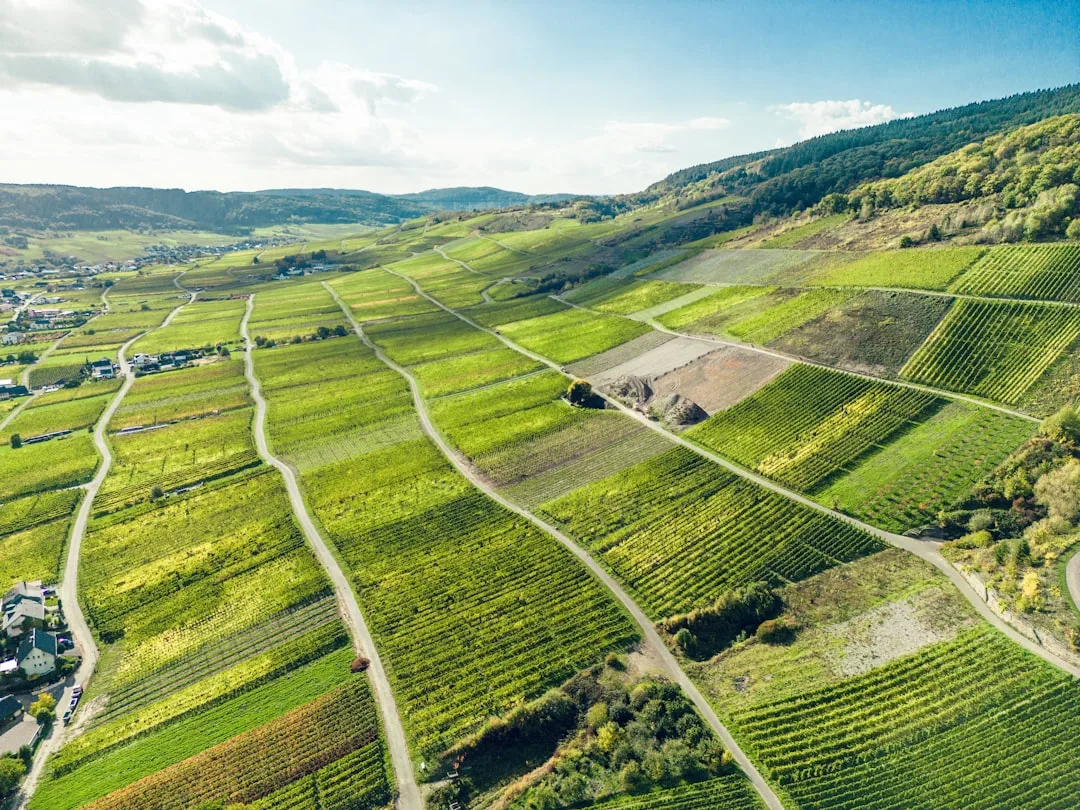
Emilia-Romagna beyond Parmigiano factory tours: small vineyards near Modena produce Lambrusco (local sparkling wine, often dry rather than the sweetened export version), and balsamic producers whose process spans 12–100 years rather than factory scale. The Museo Balsamico in Modena explains production processes. Traditional cheesemakers permit visits when announced and reveal techniques unchanged over centuries.
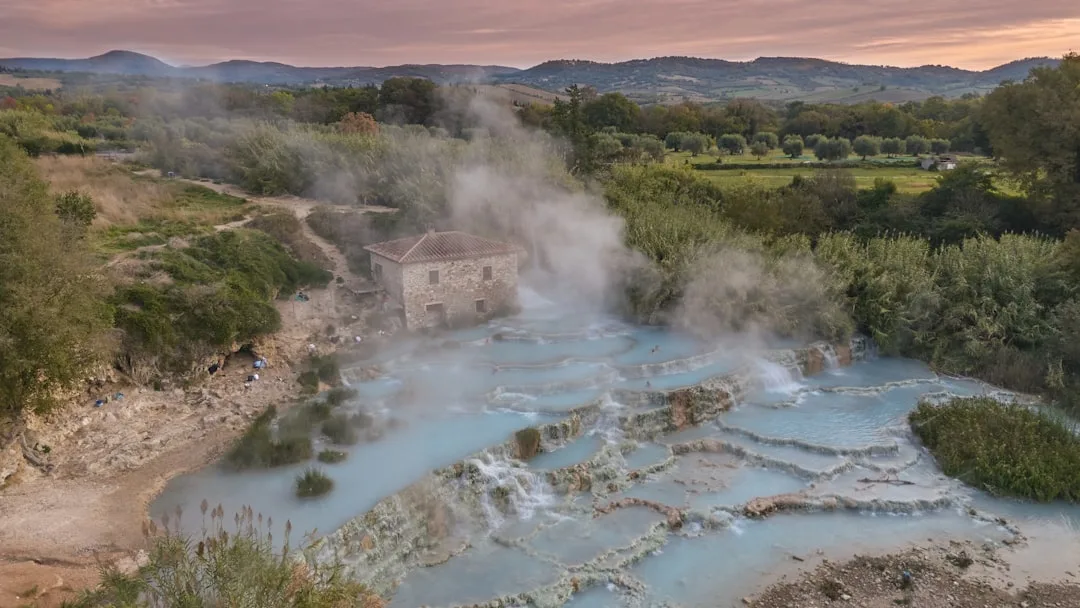
Tuscany: Chianti is commercialized; more rewarding are Brunello di Montalcino (southern, hilly region) and Vino Nobile di Montepulciano, where winemakers often offer English-language tours and the regional character reveals how agricultural policy shapes culinary culture.
Sicily culinarily: The Nero d’Avola wine route around Ragusa in southeastern Sicily shows Arab-Norman architecture in villages (Modica, Ragusa) and experimentally-minded cooks deconstructing traditional dishes (intelligent craft rather than elevated fine dining). Piazza Armerina to the north contains Roman mosaics in extraordinary density.
Craft workshops for serious learners: cooking classes not in tourist schools but directly with cooks (Basilicata, Calabria, Campania); cheese-making in Calabrian villages (Pecorino Calabrese); bread-baking apprenticeships in traditional bakeries. These require advance arrangement and often Italian language skills, but reveal authentic technique.
Best Time to Visit
Best time to visit: Mar, Apr, May, Sep, Oct. Peak season: Jun, Jul, Aug.| Jan | Feb | Mar | Apr | May | Jun | Jul | Aug | Sep | Oct | Nov | Dec |
|---|
| Low | Low | Sweet Spot | Sweet Spot | Sweet Spot | Peak | Peak | Peak | Sweet Spot | Sweet Spot | Low | Low |
14° 7° | 15° 8° | 18° 10° | 21° 12° | 26° 16° | 31° 20° | 33° 23° | 32° 23° | 28° 20° | 22° 15° | 16° 10° | 14° 8° |
- Peak Seasonbusy · high prices
- Sweet Spotideal weather · fewer crowds
- Low Seasonquiet · affordable · variable
Italy’s continental and Mediterranean climate creates not only weather variation but different economic and labor rhythms. Choosing a season determines how the destination reveals itself — culturally and gastronomically, not only meteorologically.
April through May offers ideal conditions culturally and culinarily. Temperatures range 12–26°C; rainfall is moderate. Markets overflow with spring produce (leafy greens, asparagus, early berries). Artisan producers operate at full capacity; vineyards permit visits. Hotels are not oversaturated; prices are moderate.
June through August marks high season: 20–33°C, minimal rainfall. This is also “siesta time” in southern Italy — many small shops and artisan operations close 1–4 PM due to heat. Tourist flows are maximal; major attractions (Colosseum, Uffizi) require advance booking. Culinarily, this period is less rewarding, as many street vendors operate reduced hours. For those interested only in architecture and museums, the timing works, but it is emotionally demanding.
September through October offers “Indian summer” conditions in the south: 15–28°C, increasing rainfall. Autumn markets show grapes, mushrooms, root vegetables. Tourist streams diminish. This period is culturally optimal.
November through March is mild (8–15°C), rainy, but culinarily rich. Truffle season (October–December in Piedmont), vegetable abundance, wine harvest (new vintages in autumn). Museums maintain full hours; prices drop substantially. Wildfires are not a concern. Occasional storms possible, especially in the north. For cultural travelers, winter is recommended when severe weather doesn’t intervene. The 2026 travel trends reflect growing interest in slow travel and longer stays — Italy’s rhythms align well with this shift.
Cultural Particulars
Understanding Italy requires recognizing that eating is not optional recreation but a temporal marker. Pranzo (lunch) occurs at 1 PM, not noon or 2 PM. Many businesses close 1–4 PM. Cena (dinner) begins at 8 PM or later, not 6 or 7 PM. This is not a tourist convention but a biological rhythm embedded in Italian life. Traveling against this rhythm means finding restaurants empty and shops shuttered.
Dress code: Rome and the Vatican require covered shoulders and knees in churches and religious spaces. Flip-flops are acceptable in cultural institutions but not ideal for dignified movement. Italian street style remains formal — even in heat, Italians wear shirts and trousers rather than athletic wear. Respecting this opens social doors.
Tipping: not obligatory but 5–10 percent rounding or €1–2 for good service is customary. Many restaurants charge “coperto” (cover charge, €1–3 per person), already included in the bill — mention if unwanted. In bars, only small coins suffice.
Craft etiquette: small producers (wineries, cheesemakers, bakeries) expect advance notice. Unannounced visits may be declined. Photography without permission is disrespectful and potentially illegal. English rarely works — Italian courtesy formulas (“Buongiorno,” “Che bello”) unlock doors that English does not.
Italians identify strongly with their region — southern versus northern Italy, Sicilian versus Tuscan identity are cultural identities, not abstract administrative categories. Sweeping statements about “Italy” are therefore jarring.
No-Gos
Tourist traps are not morally condemnable but should be avoided. Restaurants at St. Mark’s Square charge €30–50 for pasta dishes while identical dishes cost €10 five hundred meters away. No visible menu or posted prices (especially for restaurants without entrance fees) are warning signs. The same applies to central Rome and Florence. Local knowledge (or Google Maps reviews) is self-protection.
Raw or undercooked shellfish in Campania since early 2026: a Hepatitis A outbreak has been linked to raw shellfish. Restaurants with good hygiene standards are safe; street vendors selling oysters or mussels should be avoided while warnings persist.
Cash: don’t carry openly; keep small amounts in pocket and the rest on card. Pickpockets work in groups and target tourists in crowded zones (public transport, St. Mark’s Square, the Colosseum).
Disrespect toward artworks and churches: no gratuitous photography (flash damages frescoes), no touching paintings or sculptures. Noise in sacred spaces can result in expulsion.
Buying counterfeit goods is illegal and supports networks linked to trafficking. Bags and watches from street vendors are fake; purchasing supports criminal operations.
Taxi fraud is documented. Use only official taxis with visible meters. Private drivers offering “special prices” at airports overcharge. Uber and Bolt function in capital cities but rarely in rural areas.
Transportation
Airport access varies by hub. Rome has two main airports: Fiumicino (Leonardo da Vinci), 25 kilometers west, and Ciampino, a smaller budget airport to the south. From Fiumicino, the Leonardo Express train departs every 30 minutes to Termini central station (€14, 30 minutes, no intermediate stops); buses (TERRAVISION, ATRAL) cost less (€6–10) but require 45 minutes. From Ciampino only buses operate (€4, local agencies). Milan Malpensa (45 kilometers northwest) has rail service to the center (€10, 40 minutes). Venice Marco Polo is on the mainland; buses or water taxis reach the city center (15 minutes).
Trains are the backbone of Italian intercity travel. Trenitalia operates all major routes. Frecciarossa (high-speed, to 300 km/h) connects major cities rapidly (Rome–Milan in 2.5 hours). Frecciargento and Frecciabanca offer medium speed. InterCity and regional trains are slower but cheaper. Online booking is substantially less expensive than counter purchase; early-bird discounts apply.
Cities operate metro systems (Rome, Milan, Naples, Turin) and bus networks. Metros are efficient but crowded during rush hours. Buses require local ticket knowledge; tabaccherie (tobacco shops) sell tickets. Venice has only water buses (vaporetti) with zone-based pricing. A 7-day pass costs less than individual tickets. For comparison with other European city transit, Lisbon offers similar public transport logistics.
Rental cars are useful for regional touring (Chianti, Amalfi Coast, Emilia-Romagna countryside). In city centers, cars are hindrance and expense (parking fees, environmental zones). Italian traffic is chaotic but functional. Bus drivers are fast and aggressive; foreign drivers often move too slowly for local norms.
Motorscooters are common in southern Italy. They require valid license and helmet use. Insurance is mandatory. Rental is cheap (€10–20/day) but accident risk is high due to traffic chaos.
Entry & Bureaucracy
Germany and Austria are both EU and Schengen members; Italy is as well. This means: no visa for German or Austrian citizens, no border controls at the land border (except during heightened security alerts, then temporarily). National ID or passport suffices; the document must be valid for the duration of stay. No six-month validity requirement as with non-Schengen countries.
Airport control: German and Austrian travelers proceed through EU-citizen gates (often faster). Baggage control is standard when entering from outside the Schengen zone.
Customs: standard EU rules apply. Cash exceeding €10,000 must be declared (EU regulation). Cultural artifacts under heritage protection cannot be removed without export permits.
Vaccinations: not required for entry. Hepatitis A and B are advisable after consultation with your physician, especially for southern Italy and coastal dining.
International health insurance: Germany has agreements with Italy; German health insurance cards are accepted at Italian pharmacies and medical practices. For uninsured travelers, supplemental coverage is wise.
Health & Safety
Tap water is EU-certified and safe throughout Italy. Major cities (Rome, Milan) may have faint chlorine taste (not harmful, merely unpleasant). Spring water from fountains is ideal. Restaurants must serve complimentary tap water (“acqua del rubinetto”) upon request.
Hepatitis A outbreak: early 2026 in Campania linked to shellfish. Raw or undercooked shellfish (oysters, clams, fish) should be avoided; cooked seafood is safe. Restaurants with good hygiene standards present no risk.
Pharmacies (Farmacia) are marked with a green cross. Prescriptions from German physicians are accepted. Paracetamol, ibuprofen, antihistamines are available without prescription. Emergency numbers: 112 (general), 118 (ambulance), 113 (police).
UV radiation: south of Rome, sun intensity is severe from April onward. SPF 50+ sunscreen is necessary. Midday sun (noon–4 PM) should be avoided (also aligned with siesta culture).
Security: Italy’s major cities are safe for travelers, but pickpocketing is widespread in tourist zones and public transit. Precautions (front-facing backpack, valuables in inner pocket) are essential. Terrorism warnings apply primarily to religious sites and are general rather than traveler-specific.