Wine Experiences in Europe: Guide to Tastings and Tours
Wine travel across Europe's top regions: How to experience Douro Valley, Bordeaux, Champagne and Rioja authentically — with real prices and craftsmanship.
TravelFeelings Editorial Team
Why Wine Journeys Are More Than Tasting
When you first arrive at a winery in Tuscany, you understand it quickly: wine is not primarily a product to taste. It is the continuity of a landscape, a family, a soil. In the hills around Montalcino, wineries exist on the same land for generations. The winemaker knows each parcel of vineyard intimately—how the sun hits it in certain seasons, how water flows there this year.
An authentic wine journey differs from a surface-level “tasting tour” in one crucial way: you ask questions. Why Sangiovese in Tuscany? Not because it is native there, but because this soil, this elevation, this light produces exactly this grape. That is continuity born from necessity, not nostalgia.
European wine tourism generates over half of all global wine tourism revenue. Yet as numbers grow, it becomes harder to distinguish genuine craftsmanship from Instagram backdrop. This guide shows you where winemaking craft still lives—in the hands, the soil, the conversation.
Tuscany: The Sangiovese Classroom
Tuscany is not just famous; it earns its reputation through tangible reasons. Wine is not invented there; it is grown.
The Chianti region, between Florence and Siena, is the classical entry point for serious wine travel. Families work there for sometimes 300 years. Sangiovese—that dry red grape with characteristic acidity—is not made by recipe but by understanding this specific soil in this specific vintage. A cold spring in 2025 means different fermentation times than a warm summer in 2026. This shows in every bottle.
Around Montalcino, you find Brunello di Montalcino—long-aged, complex wines that rest for at least five years. Visit small, family-run estates, not large houses. Speak with winemakers themselves, not sommeliers. Ask why a wine has a particular color, what that reveals about fermentation.
The best time is September through November, when harvest happens. That is when you see real craft: grapes picked by hand, crushing loud and energetic and visible. October is ideal—not too hot, not too cold. A 10–14-day Tuscany tour averages $4,800–8,600, depending on whether you stay in boutique hotels or agritourismo farms. Small winery excursions cost $65–130 per person.
Eat what the regional kitchen offers: Pici (hand-pulled pasta) with ragù, Pecorino Romano from Latium, Bistecca alla Fiorentina from Chianina cattle. Wine pairs with this cuisine not by accident—both grew from the same craft.
Douro Valley: Europe’s Steepest Classroom
The Douro Valley in Portugal has become Europe’s fastest-growing wine region in the past five years—not because marketing invented it, but because the wines are authentic and dramatic.
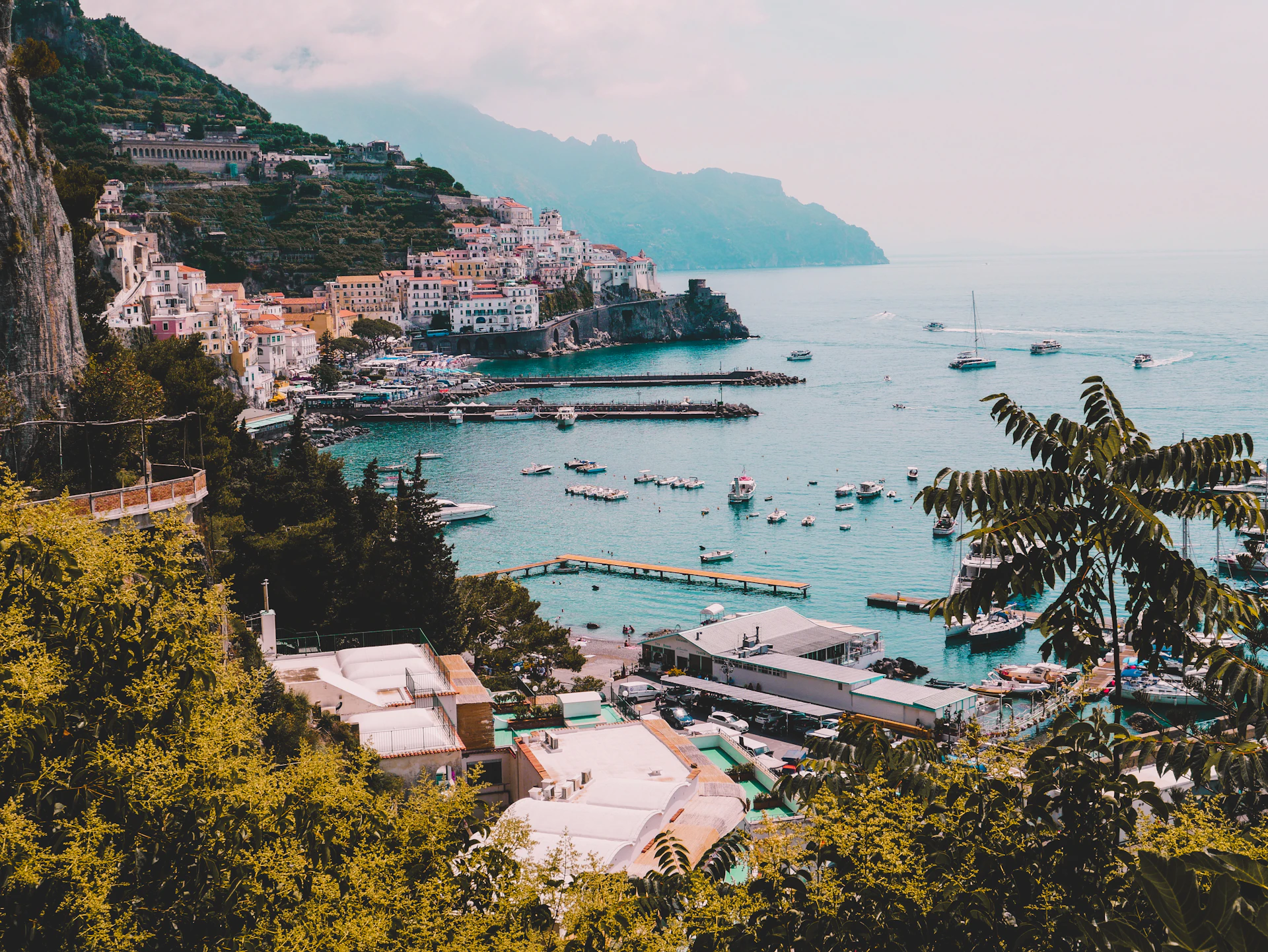
The Douro terraces are UNESCO World Heritage. They are not beautiful as postcards but beautiful as proof of craft. These vineyards were built by hand, stone and earth, on hillsides with slopes reaching 45 degrees. A tractor cannot go there. This means all work happens on foot, by mule, by hand. It costs time. It costs money. But it produces wines born from that exact continuity.
The Douro River flows through the valley—many wine journeys happen by river cruise. An 8–10-day river cruise costs $3,800–6,000, overnight stays and shore excursions included. That is cheaper than isolated hotel experiences and more efficient: you see four or five regions without constant moving.
Visit the Quintas (small estates) around Pinhão. Speak with owners about harvest methods. Ask why Douro wines have so much tannin—the answer is: soil, sun, grape selection. Taste Port wine not in a tasting lounge but in a bodega of an old Porto wine merchant.
Eat Bacalao à Brás (salt cod with thin potato sticks), Caldo Verde (kale soup), Francesinha (Porto sandwich with ham, cheese and brown gravy). This is craft cuisine. Wine adapts to it, not the other way around.
Best time: September through October, when harvest runs. November is still good, quieter.
Bordeaux: Order as Craft
Bordeaux appears elite at first glance. 6,000 estates, famous names like Château Pichon Longueville, Château Margaux. But elite and craftsmanship are not the same thing.
Bordeaux trains the palate like no other region—not because wines are “better” there, but because blends are more complex. A Bordeaux is rarely a single grape. It is an interplay: Cabernet Sauvignon, Merlot, Petit Verdot, sometimes Cabernet Franc. The winemaker must know how these four grapes behave in exactly this year, on exactly this terrain. That is not a recipe—that is continuity through expertise.
Visit smaller châteaux in Pomerol and Saint-Julien, not just the Grands Crus Classés. There, winemakers speak less English and more with their hands. A guided Bordeaux tour with 5–6 château visits costs $100–200 per person.
Eat Entrecôte à la Bordelaise (steak with red wine reduction), Lamproie à la Bordelaise (lamprey, traditional, hard to find), Canelé (small caramel-rum cakes from Bordeaux patisseries). This cuisine arose alongside these wines, over centuries.
Best time: May to June or September through October.
Champagne: Craft Beneath the Earth
Champagne is often romanticized. But the real craft lies not on the surface—it lies underground, in cellars, in bottles that ferment for 5 to 8 years.
The large houses—Moët & Chandon, Veuve Clicquot, Krug—are worth seeing, but not for deep craftsmanship. Visit instead the Grower-Champagne producers, small estates that make their own wine. They understand the Méthode Champenoise—secondary fermentation in the bottle—not as marketing but as exact science with craft at its heart.
The soil in Champagne is limestone and chalk. This gives these wines their characteristic minerality, their fine bubbles. A Grower Champagne costs $32–65 per bottle, not $200+. Often it tastes more complex than a large-house Champagne.
Private Champagne cellar tours cost $75–160 per person. Book directly with the producer, not through tourism platforms.
Eat Huîtres (oysters) with Champagne—they pair like nothing else. Try local cheeses like Chaource.
Best time: June through September (warm, dry, not overrun).
Rioja: The Value Secret
Rioja in northern Spain is the insider tip for serious wine travelers who already know Bordeaux and Tuscany. Wines are equally complex, prices are one-third, and regions see fewer crowds.
The Tempranillo—Rioja’s principal grape—has been grown here for generations. Winemakers understand the terroir: two rivers (Ebro and Oja) influence climate and soil. A good Rioja ages 2–3 years in oak, develops complexity without heaviness.
A Rioja tour is cheaper: 5–7 winery visits cost $85–130 per person. 10–14-day package tours cost $3,200–6,500. Many estates offer “Harvest Experiences”—you work during the grape harvest, learn craft, not just theory. Two to three days cost $430–750.
Visit Haro or Laguardia—small medieval towns whose entire infrastructure is built on wine. People there speak with their hands about grapes and fermentation, not as exotic knowledge but daily reality.
Eat Rioja regional specialties: Chorizo (spicy, not sweet), Rabo de Toro (oxtail stew), Talo (grilled corn dish). Wine pairs with simplicity, not complication.
Best time: August through October (harvest visible, climate pleasant).
Rhine Valley and Mosel: The Riesling Classroom
The valleys of Rhine and Mosel in Germany and Austria are textbooks for minerally white wines. Riesling here is not sweet—that myth persists stubbornly. A good German Riesling is dry or off-dry, with acidity, minerality, complexity.
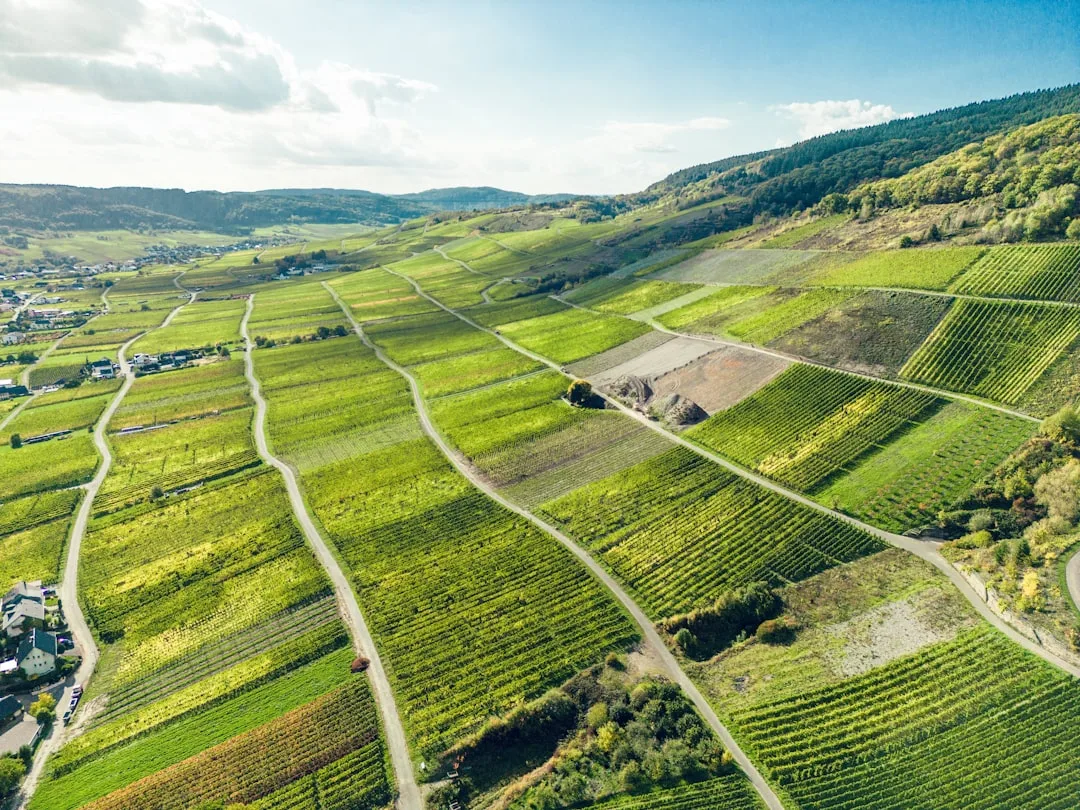
The reason: the soil. Slate, slate, slate. In Mosel, vineyards are so steep that grape pickers work with baskets on their backs. No tractor, no engine. This is craft without compromise. Slate soil reflects heat back onto grapes, accelerates ripening, gives the wine its characteristic mineral note—stone, salt, sometimes oil-like hints.
Visit smaller estates around Bernkastel or Rüdesheim. Talk with winemakers about slate minerals—this is not esoteric knowledge but agricultural chemistry with flavor. A river cruise through Rhine and Mosel costs $3,200–5,400 for 7–10 days, overnight stays and excursions included.
Eat Spätzle (Swabian noodles), Sauerbraten (sour-roasted beef with vinegar and spices), Flammkuchen (Alsatian flatbread with crème fraîche, onions, bacon). This cuisine was created alongside these wines.
Best time: May through September (warm, green, little rain).
How to Book Authentic Wine Tours
The quality of a wine journey depends on four factors: group size, guide, timing, and expectation.
The group should not exceed 10–12 people. Larger, and you become an anonymous tourist group; the winery owner has no time for real conversation. Smaller groups (4–6 people) are ideal. A good guide was born in the region or has lived there for at least 15 years. He or she knows winemakers personally, understands the area’s history, knows when each wine is in its best season. Always ask about the guide’s background before booking.
Avoid mega-packages like “Bordeaux in 3 Days with 8 Stops.” Authentic tours focus on 2–3 wineries per day with time for real conversation. Travel timing should allow you to see harvest activity—August through October is ideal for all European regions.
Book directly with estates or through local, owner-operated agencies, not international platforms. You pay less and support local economy. A tour costs $65–160 per person per day, depending on location and intensity.
Wine is not primarily for tasting—it is for understanding. Once you grasp that, you experience European wine regions not as vacation destinations but as classrooms for continuity, craft, and the question of how people, for generations, make from earth and sun a drink that tells stories.