€Albania
Albania: Adriatic shoreline and Balkan mountain terrain
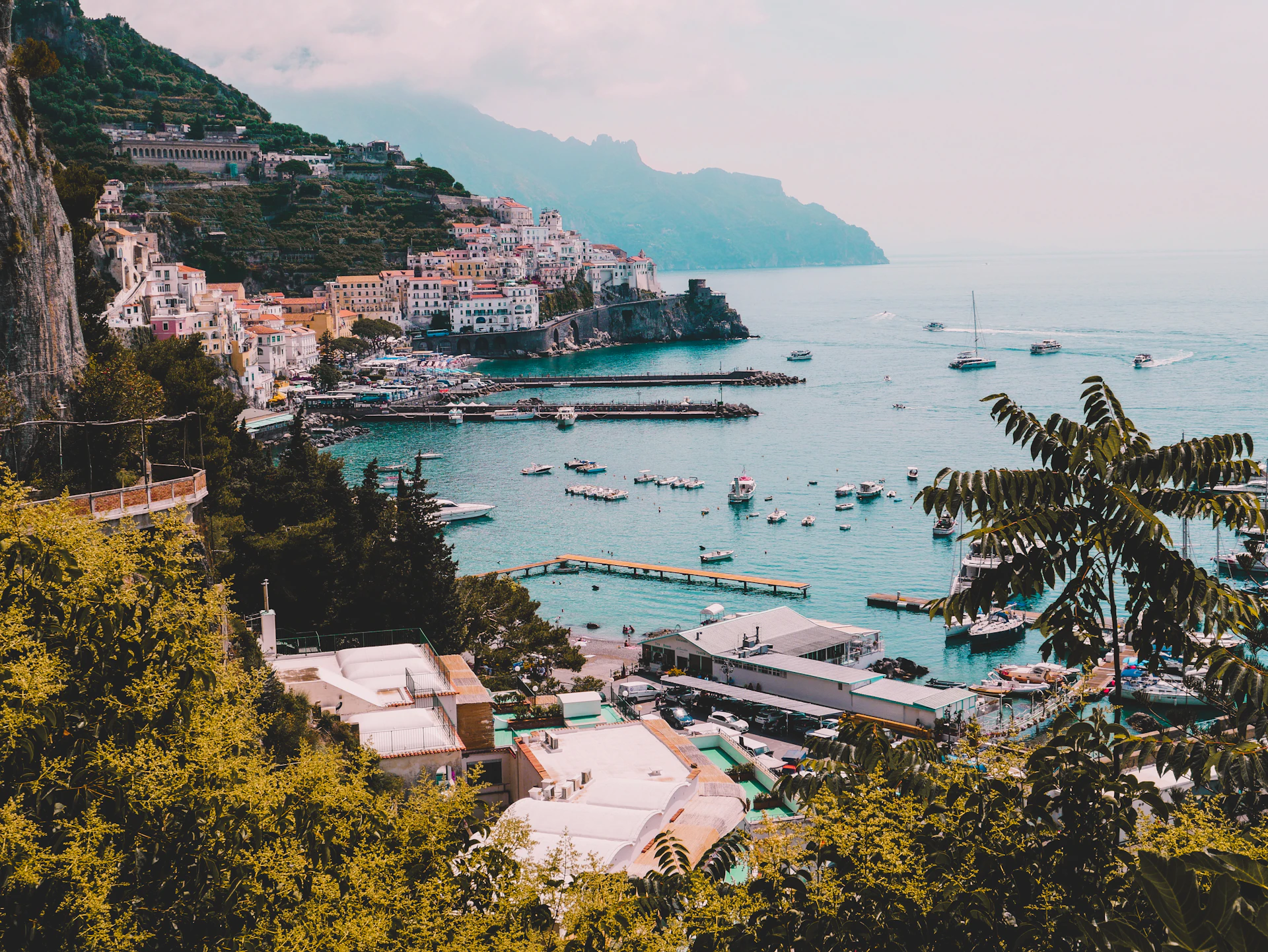
Albania blends Balkan mountains, Adriatic shoreline, and urban culture into an underrated European destination. Here's what to know before you book.
New Zealand · Oceania
New Zealand combines two tectonically distinct islands with alpine mountains, fjords, geysers and Māori culture. A destination for trekkers and nature observers, not luxury travelers.
The Tongariro Alpine Crossing is a day walk with genuinely alpine consequences. The 20-kilometer route cuts through volcanic terrain with active geothermal fields, emerald crater lakes, and exposed high ground. Hiking time is six to eight hours depending on fitness and snow. The ascent to 1,500 meters is exposed but not technical. Critical: weather shifts in minutes. Pack windproof and waterproof even if the sun shows. Access points (Ketetahi or Whakapapanui) are sometimes closed for environmental restoration. The route is currently free; fees are planned for late 2027 (estimated 20–40 NZD / approx. $11–22 USD for international visitors).
The Routeburn Track is a 31-kilometer multi-day trek in Fiordland — three days minimum. It links alpine valleys with snow-capped Southern Alps peaks — mostly marked but exposed at mountain passes (Harris Saddle, 1,255 meters elevation). Daily distances run 12–17 kilometers. Water sources are reliable; DOC campsites are basic (no fires). Permits required: October–April via lottery (hard to book), May–September booked online freely. Rucksack weight should stay under 12 kilograms — the trails are steep and slippery. Sleeping bag rated to minus 5 Celsius minimum. Nights drop below 5°C regularly.
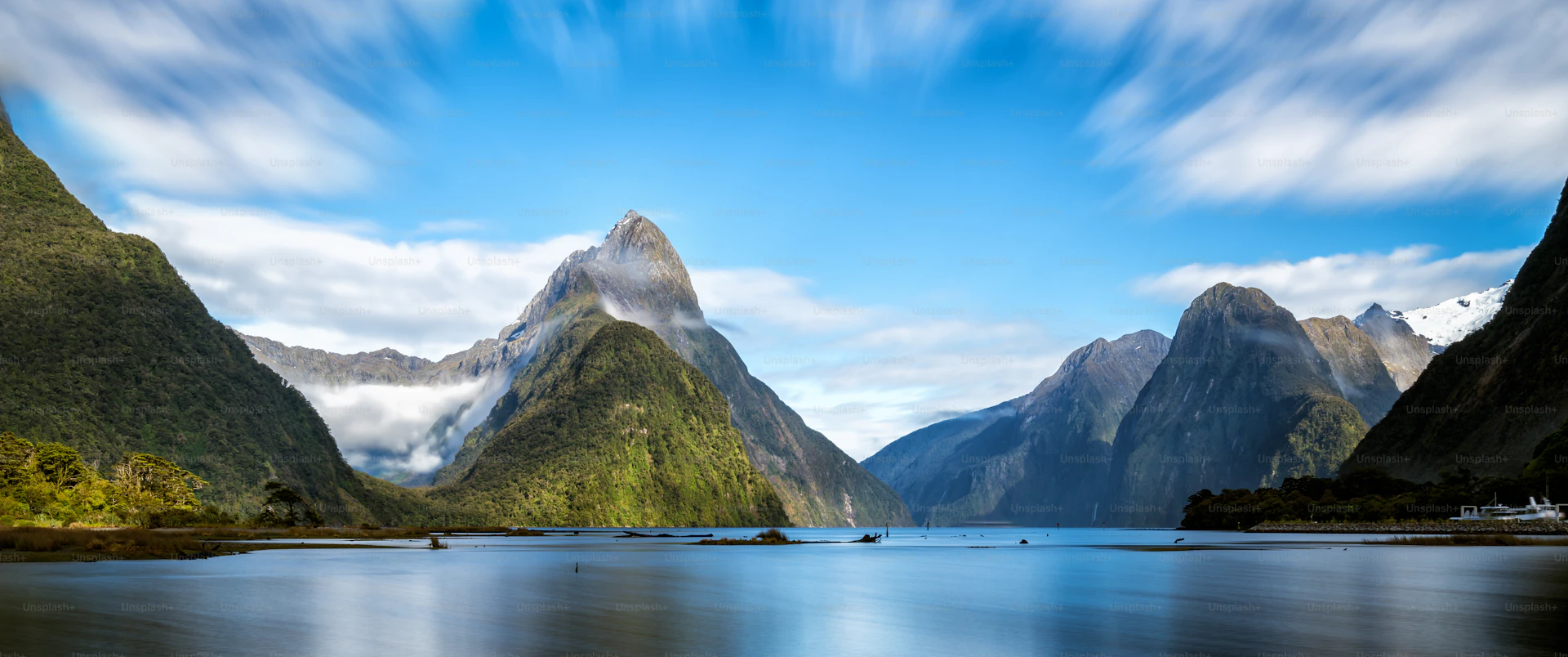
Milford Sound is not a walking destination — it’s a 2.5-hour boat journey through a fjord with 1,200-meter cliff walls, waterfalls, and New Zealand fur seals. The boat departs Milford Marina (120 kilometers from Te Anau). Day trips from Queenstown include bus transport (seven to eight hours total, 200–250 NZD / approx. $110–140 USD). The fjord crossing itself is less strenuous than striking. Safety on the vessel is standard (life jackets mandatory). Weather is often poor. The western coast receives nine meters of rain annually at sea level.
Rotorua is a thermal geothermal town on the North Island with active geysers and Māori cultural centers. Pohutu Geyser (Te Puia) erupts 30 meters high six to twenty times daily — entrance fee approx. 45 NZD (approx. $24 USD). Lady Knox Geyser (Wai-O-Tapu) erupts predictably at 10:15 a.m., but is heavily commercialized. Critical: geothermal areas are marked-trail only. The crust layer can collapse under your weight. Protect skin and eyes from geyser spray.
Auckland is New Zealand’s largest city (1.7 million people) — a practical transit point but not a trekking destination. Similar urban hubs with trekking access nearby include Canada, which also serves as a gateway to alpine terrain. The Auckland Museum displays Māori artifacts and regional natural history. The Sky Tower offers 360-degree views over two harbors. More relevant for walkers: the islands (Rangitoto, Waiheke) or coastal trails near Piha (black sand beach, strong surf, short walks).
Fox Glacier and Franz Josef Glacier lie on the South Island’s West Coast — reachable via Highway 6 from Queenstown (five to six hours drive). Similar glacier trekking can be found in Norway, with better technical infrastructure for mountaineers. Both glaciers have retreated dramatically in the past twenty years (up to three kilometers). Access to the glacier fronts requires avalanche gear or organized tours. For trekkers, valley walks through alpine approaches are more rewarding (Copland Track, 16 kilometers, six to eight hours hiking). West Coast weather changes daily. Waterproofing is not optional.
From Queenstown: Milford Sound day trip — depart 6–7 a.m. (bus to Milford Road), boat at 1 p.m. (approx. 120 minutes on water), return Queenstown around 8 p.m. Cost: 200–300 NZD (approx. $110–165 USD). Alternative: Doubtful Sound — similar fjord with far fewer visitors, five hours boat time, dolphins and penguins more frequent than Milford, 250–350 NZD (approx. $140–190 USD).
From Rotorua: Whakarewarewa Geothermal Park and Māori crafts center (two to three hour tours, 30–50 NZD / approx. $17–27 USD). Rotoiti Lake Loop — easy 1.5-hour circuit around a crater lake, no exertion, useful after flight arrival.
From Wellington: Rimutaka Hill Walk crossing (20 kilometers, six to seven hours) over the main ridge between Wellington and Wairarapa — exposed but marked. The exposed section above 600 meters is windy, especially spring and summer.
From Taupo: Tongariro Alpine Crossing as a day walk (85 kilometers from Taupo, one to 1.5 hours drive plus six to eight hours hiking plus return). Access points are sometimes closed for environmental protection or safety — check DOC website before departure.
The Catlins lie in the southwestern corner of the South Island — minimal tourism, rainforests, waterfalls, two to three hours from Queenstown. Lake Willamsons Walk (six kilometers, two hours) leads through dense rainforest with ancient kauri trees. Accommodations are limited; camping is the norm.
Doubtful Sound is Milford’s quieter neighbor — 4.5-hour boat journey from Te Anau with overnight options. The fjord is deeper, less touristy, and your odds of dolphins and seals are higher. Cost: 300–500 NZD (approx. $165–275 USD) for day tours.
Waitomo Caves are underground passages with luminescent glowworms (Arachnocampa) on the ceiling. Located on the North Island, 90 kilometers from Auckland. Boat passages through silent underground rivers (1.5 hours, 30–45 NZD / approx. $17–25 USD). Tight passages — not for claustrophobes.
Te Anau is the gateway to Fiordland — a quiet alpine lake without the tourist surge of Queenstown. Walking routes branch into fjord valleys (Eglinton Valley, 12 kilometers day walk). Māori history is present here. Local guides share stories from Ngāi Tahu iwi.
| Jan | Feb | Mar | Apr | May | Jun | Jul | Aug | Sep | Oct | Nov | Dec |
|---|---|---|---|---|---|---|---|---|---|---|---|
| Peak | Peak | Sweet Spot | Sweet Spot | Sweet Spot | Low | Low | Low | Sweet Spot | Sweet Spot | Peak | Peak |
25° 20° | 25° 20° | 21° 17° | 18° 15° | 15° 12° | 12° 10° | 11° 9° | 13° 10° | 15° 12° | 18° 15° | 22° 18° | 24° 19° |
New Zealand sits in the Southern Hemisphere — seasons are reversed from Europe. Summer (December–February) is warmest and draws the most visitors. Nights are mild (20°C+), days warm (22–25°C North Island, 18–20°C South Island). Prices spike — hotels charge 50 percent premiums. Cyclones are possible (November–April), especially on the North Island.
Autumn (March–May) is optimal for trekkers. Temperatures drop to 12–18°C; rainfall is moderate. Vegetation stays green; snowlines climb higher. Hostels and campsites run half-full. September and October (spring) are also strong — flowering in temperate zones, stable weather patterns, lingering snow at altitude for alpine aesthetics.
Winter (June–August) is cold and wet. Temperatures drop to 8–13°C on the North Island, 5–10°C on the South Island. The Central Plateau (Tongariro region) gets snow — that’s ski season. Trekking is possible but demands four-season kit (sleeping bag rated minus 10°C), ice axe and crampons for technical passes. The West Coast (Fiordland, Franz Josef) is days-long wet and windy — long treks are unrealistic in winter there. For better winter trekking conditions during New Zealand’s cold season, consider the biodiversity and climate stability of tropical regions like Costa Rica.
Māori culture permeates daily New Zealand life. Greetings like “Kia Ora” (hello) or the hongi (nose-to-nose greeting) are culturally respectful. A pōwhiri (welcome ceremony) starts with a whakatau (formal address) and ends with a haka (war dance) — this is theater with meaning, not for you to imitate.
Hangi is a traditional earth-oven meal where meat and vegetables cook in an earth pit for two to four hours. Visitors are welcome to attend (often offered in Rotorua, approx. 60–100 NZD / $33–55 USD). The meat is tender, but the concept is practical, not romantic.
The concept of tapu (sacred) matters: certain places (mountain peaks, rivers, old battle sites) carry cultural weight. Entry is permitted with respect. Touching an adult’s head is disrespectful — mana (prestige) resides there.
Māori craftwork (whakairo — wood carving; kōkiri — woven textiles) is valuable and respected. Souvenirs with Māori motifs should come from licensed artisans, not industrial mass production.
Walking off marked trails in geothermal fields (Rotorua, Wai-O-Tapu). The crust layer can collapse beneath you. Below is 80–90°C hot springs and mud. Fatalities are documented.
Driving on the right side. You drive LEFT. Tourists from right-hand-traffic countries cause a disproportionate accident share. Reflexes override conscious thought. Your first hour behind the wheel should be slow, and switch drivers if tired.
Breaking Māori tapu. Don’t spit on sacred sites, don’t touch old objects without permission (especially old bones — tapu is extreme), don’t enter a marae uninvited.
Ignoring biosecurity rules. You cannot bring fruit, vegetables, meat, seeds. Border staff screen packs rigorously. Penalties start at 400 NZD (approx. $220 USD) for a forgotten apple. Customs rules are non-negotiable.
Hiking solo into unmarked high country without PLB (Personal Locator Beacon) or satellite communication. Mountain rescue is expensive and slow. Bad weather isolates you fast. You need signaling capacity. Tell someone your return deadline. Lateness should trigger alarms.
Leaving campsites with trash or open toilets. The land cannot handle carelessness. Pack everything out. No compromise.
Airports at Auckland (AKL, North Island hub), Christchurch (CHC, South Island), and Wellington (WLG) are internationally connected. Direct flights from Europe are long (18–20 hours with stopover, usually via Abu Dhabi or Singapore). Car rental is standard. You drive LEFT — insurance is mandatory (liability 1–2 million NZD minimum). A mid-range 4WD runs approx. 50–80 NZD / $27–44 USD per day.
The inter-island ferry links Wellington (North Island) with Picton (South Island) — 3.5 hours, multiple daily departures, 50–80 NZD (approx. $27–44 USD) per passenger, vehicle extra.
Great Walks require permits: Tongariro Alpine Crossing and Routeburn Track are October–April via lottery (high demand), May–September booked online freely. Milford Track is more restrictive — permits cost 60 NZD (approx. $33 USD) and book out months ahead.
Buses (InterCity, Naked Bus) connect cities but are slow and have inconvenient schedules. Car rental is more flexible, especially for treks requiring early starts.
You need the NZeTA (Electronic Travel Authority). Online application at nzeta.nz costs 23 NZD (approx. $12 USD), via smartphone app 17 NZD (approx. $9 USD). Valid two years for multiple entries, max. 90 days per stay. Apply at least 72 hours before departure.
On top of NZeTA, you pay the International Visitor Levy (IVL) — 100 NZD (approx. $54 USD). It’s booked with the NZeTA application and nonrefundable, even if you cancel.
Total fees: approx. $12–16 USD (NZeTA) + $54 USD (IVL) = approx. $66–70 USD per person.
For entry you need a return or onward flight ticket plus proof of sufficient funds (no fixed minimum, but occasionally checked — $50 USD per day is a rough benchmark).
Your passport must be valid for at least one month beyond your planned departure.
The biosecurity declaration is strict: All food (even unopened packages), plants, soil, animal parts must be declared. Forgotten declarations incur fines of 400+ NZD (approx. $220+ USD). A single apple forgotten costs 400 NZD. This is not hyperbole.
Vaccinations: No mandatory vaccinations for entry from Europe. Hepatitis A vaccination is recommended (especially for camping trips in remote zones). Long-term stays (over four weeks) should consider Hepatitis B.
UV radiation in the Southern Hemisphere is intense. Summer UV index runs 11–12+. SPF 50+ sunscreen daily is not optional. The ozone hole over Australia/New Zealand means a thinner atmospheric shield.
Sandflies (Ceratopogonidae family) are aggressive in fjord zones, especially Milford Sound. They bite and the itching lasts weeks. Apply DEET repellent (20%+) morning and evening. Netting gloves for sleeping are also smart.
Tap water in cities is clean and drinkable (Auckland, Wellington, Christchurch, Queenstown). Mountain streams are usually clean, but giardia (beaver fever — diarrhea one to two weeks later) is documented in backcountry water sources. For multi-day treks pack a portable filter (Sawyer, LifeStraw).
Medical care in cities is excellent (Western medicine, private and public clinics). In remote areas (West Coast, Fiordland) helicopter evacuation is necessary. Costs can run 10,000–50,000 EUR. Travel insurance with evacuation coverage is mandatory, not optional.
Natural hazards: Cyclones strike November–April, especially the North Island and West Coast. Avalanche forecasting is available online (New Zealand Mountain Safety Council website). Volcanoes are active (Tongariro, Ruapehu) — watch for ash and gas emissions while trekking. Earthquakes are frequent (the country sits on the Pacific Ring of Fire) — small tremors are normal, large ones rare, use tsunami warnings.
Whitewater: Rivers on the South Island can rage after rain. River crossings should only happen in stable boots (Merrell, Salomon, ankle support minimum). Use ropes if water tops your ankles. A partner is mandatory.
Isolation: The country is large and sparsely populated. Multi-day treks can be very remote. Emergency communication (satellite messenger, PLB) makes sense for solo trekkers. Tell someone your expected return — lateness should trigger rescue protocols.
Albania blends Balkan mountains, Adriatic shoreline, and urban culture into an underrated European destination. Here's what to know before you book.
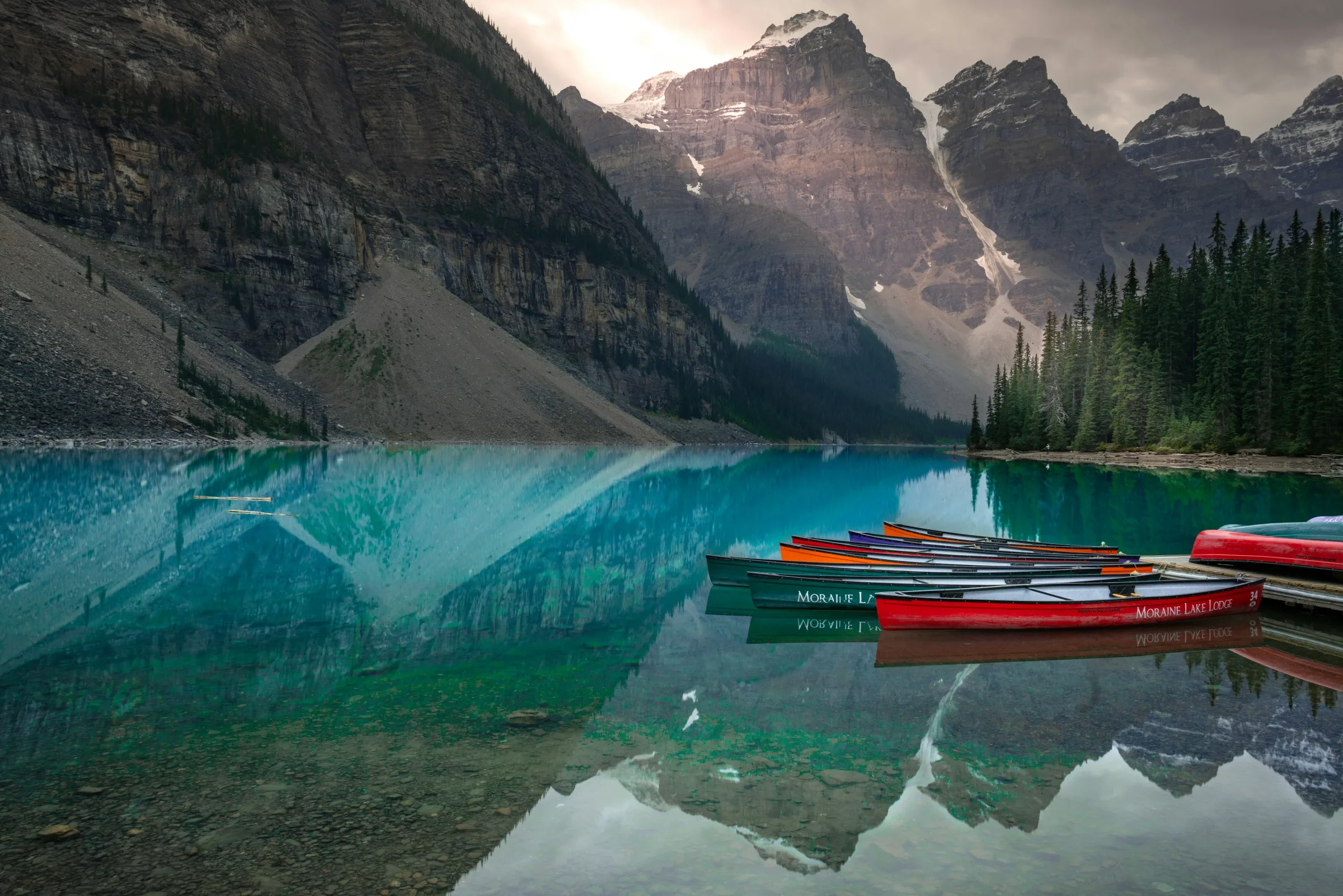
Canada is pure outdoor adventure: national parks, trekking, northern lights, and wilderness instead of city breaks. Summer (June–September) for hiking and lakes; winter (December–March) for skiing and the Aurora Borealis.
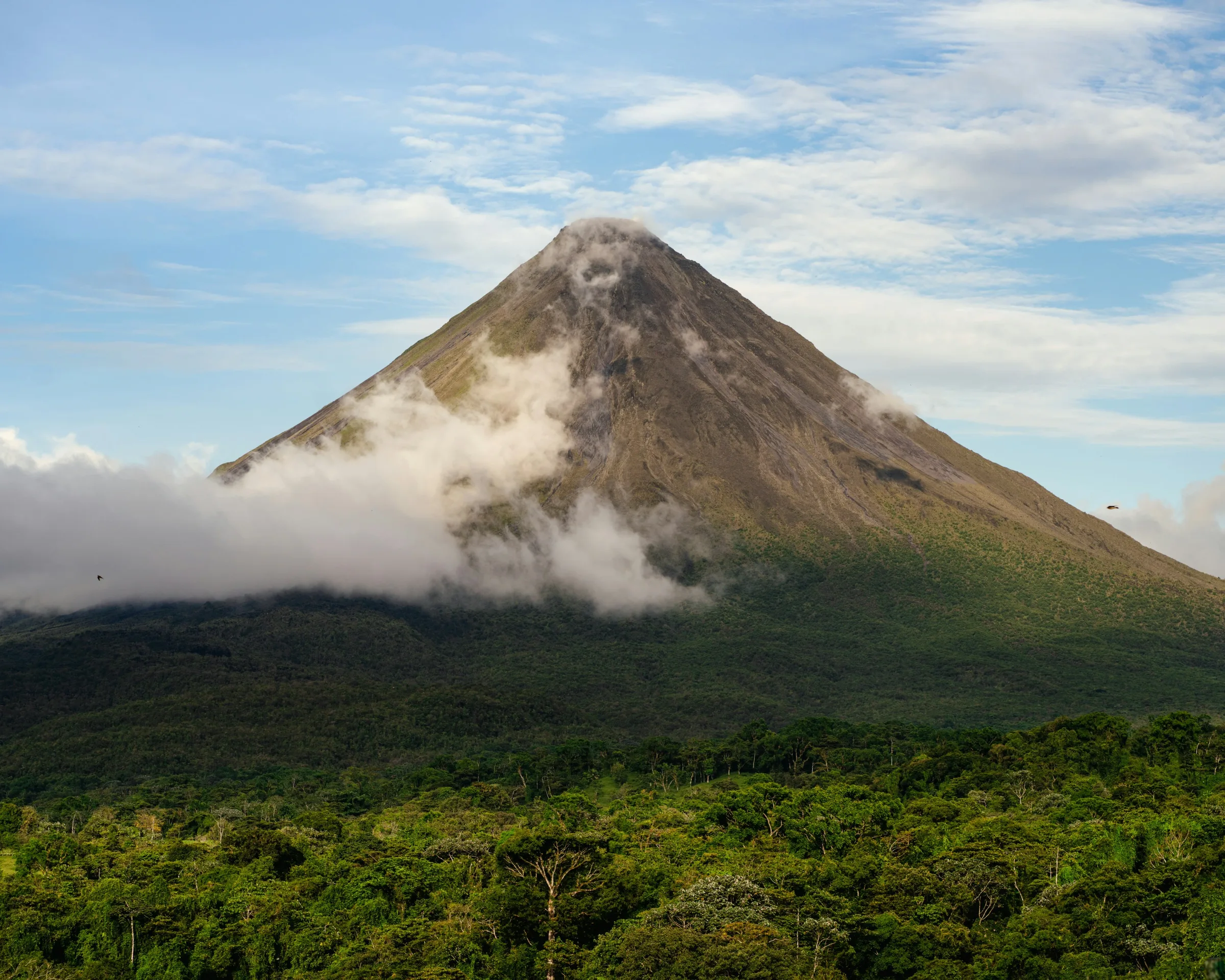
Costa Rica's reputation as an ecotourism pioneer is partly earned—but hotly contested. Know the real trade-offs before you book your trip.
Italy weaves prehistoric limestone cliffs with Renaissance architecture, Roman ruins with Alpine peaks, street food with wine culture. A country overview for travelers seeking authenticity beyond mass tourism.