Albania blends Balkan mountains, Adriatic shoreline, and urban culture into an underrated European destination. Here's what to know before you book.
Main Attractions
Skanderbeg Square in Tirana is the city’s pulse. The National Museum (formerly the Enver Hoxha Museum) dominates the western flank, flanked by civic buildings poised between late Ottoman and socialist aesthetic registers. The equestrian statue of Skanderbeg, the national hero and 15th-century resistance icon against Ottoman dominion, occupies the center — for Albanians, it’s nearly a sacred reference. The plaza mosaic itself is deliberate artwork, austere and measured. Visit at dawn or dusk when light renders the architecture more intelligible.
Berat, 75 miles south of Tirana, holds UNESCO World Heritage status. The old town, known as Akropolis, terraces up the hillside — houses pressed against one another, whitewashed walls, narrow cobbled alleyways unnamed on any map. The Onufri Museum houses iconographic art; Kalaja fortress permits passage through half-ruined ramparts with views descending onto the settlement. Two to three days merited for genuine inhabitation of the place. Kalaja admission: free; Museum: 400 ALL (approx. $5). The town is exhausting at midday; early morning or late afternoon preferable.
Butrint National Park, 11 miles south of Saranda (the border town), is archaeologically dense. Ruins strata from prehistoric, Greek, Roman, and Venetian epochs occupy a promontory into the Ionian Sea. Snorkeling sites nearby. Admission: 1,000 ALL (approx. $12). Bus from Saranda ca. 30 minutes; guided tours from 2,000 ALL (approx. $24).
Durrës, 19 miles north of Tirana, functions as Albania’s harbor city and bathing resort — broad shingle beaches, Roman amphitheater ruins (2nd century AD), Byzantine fortification. Less crowded than southern Riviera beaches. Amphitheater admission (including Archaeological Museum): 300 ALL (approx. $4). Bus from Tirana ca. 45 minutes. The Tirana–Durrës railway line (90 minutes) exists but is rarely used; for slow-travel devotees, however, it holds appeal.
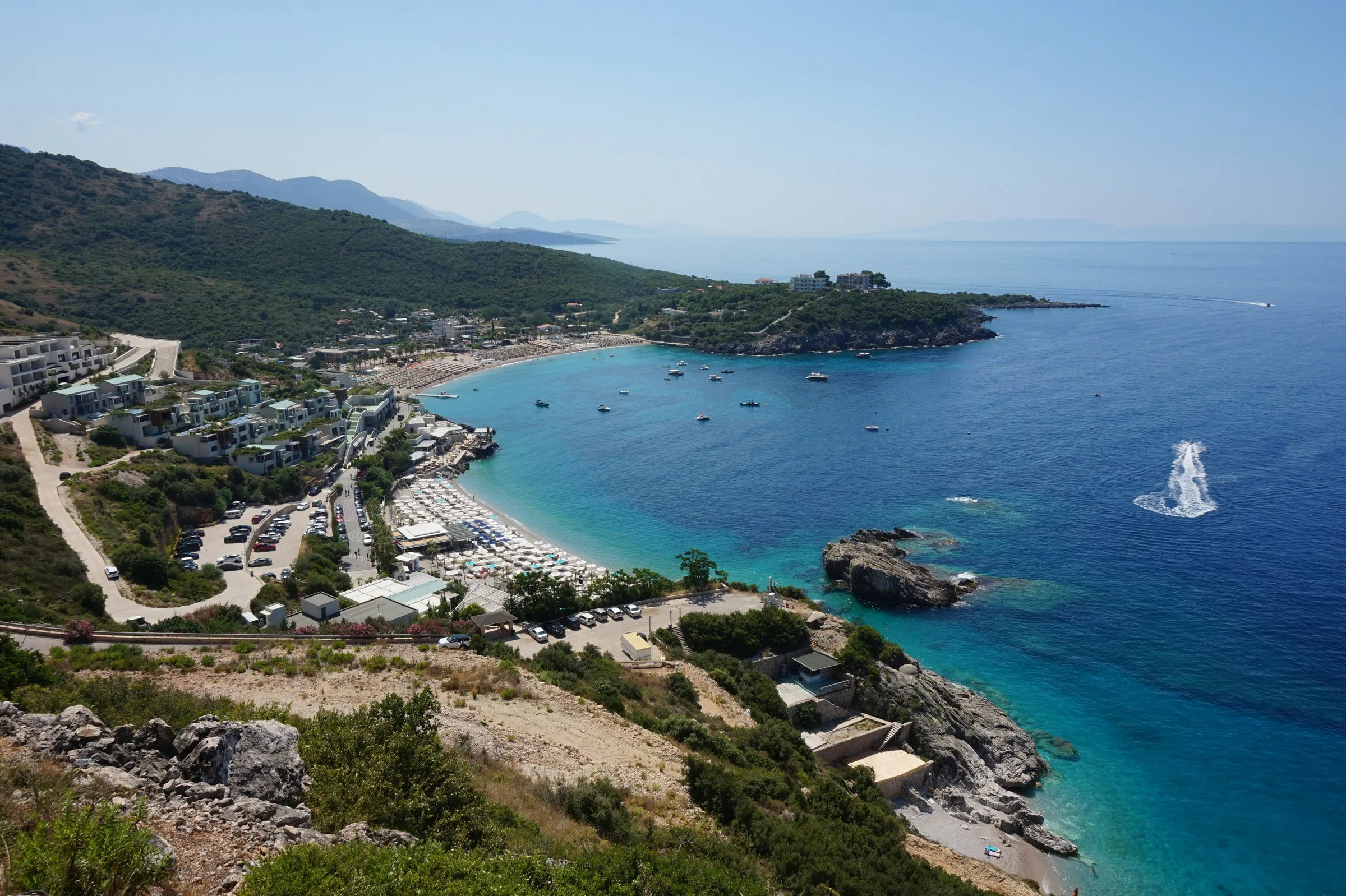
The Riviera (southern coast, from Vlorë to Saranda) offers beaches and resort towns: Ksamil is tourist-developed with offshore islands suitable for snorkeling; Himara is quieter, less infrastructured. Saranda occupies the southernmost coastal point, with views across to the Greek island of Corfu (2 miles distant) — culturally less significant for the thoughtful traveler, but topographically compelling. Bus connections reliable; tourist flow predictable.
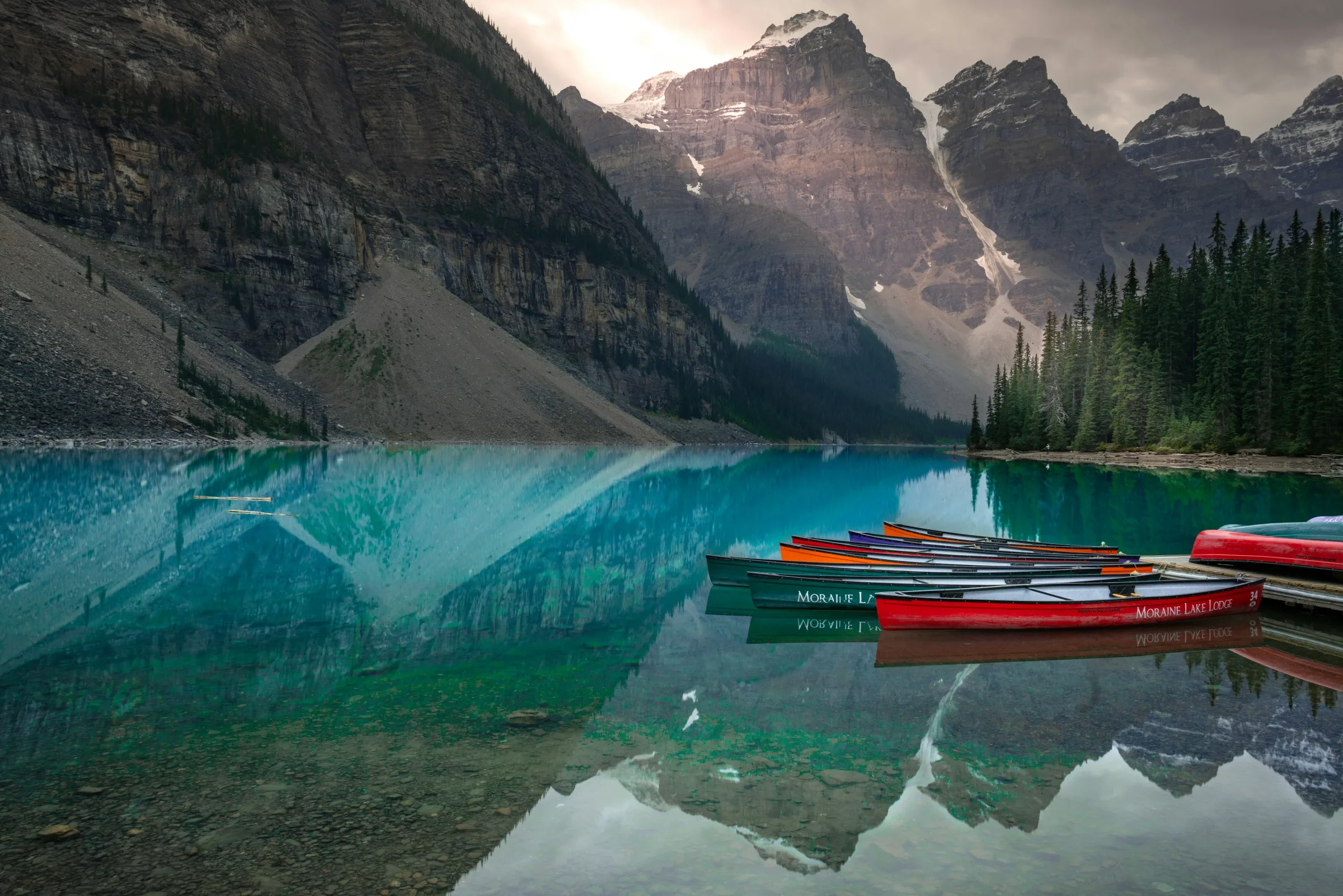
Valbona Valley and Theth in the North Albanian Alps attract trekkers. Valbona serves as a staging point for multi-day alpine walks; Theth is a mountain herders’ hamlet, suited to extended off-grid residence. The road to Theth is notorious (serpentine hairpins of stomach-testing tightness); buses hazardous — four-wheel-drive advisable. National Park admission: 200 ALL (approx. $2) per person. Not for the hurried.
Shkodra in the north is a fortified historical town with old-town character — less touristed than Berat or Durrës, therefore more vernacular. Rozafa Fortress, museums documenting Ottoman and Venetian epochs, traditional coffeehouses. Bus from Tirana ca. 4 hours.
Day Excursion Ideas
Theth via Shkodra or Valbona (3–4 hours’ drive, alpine hiking): The road becomes passable only midday onward; staging points are Shkodra or Valbona Valley. Four-wheel-drive mandatory. Multiday guided walks cost upward of $115 (about 100 EUR). Visit May–June or September–October; July–August brings tourist saturation and heat.
Butrint National Park from Saranda (30 min by bus or organized tour): All-day option combining archaeology, snorkeling, landscape. Well-organized tours run 3,000–4,000 ALL (approx. $36–48) including guide. Combinable from Durrës with morning beach time.
Kruja (22 miles north of Tirana, 1-hour bus): Historical fortress town, Skanderbeg Museum housed in the stronghold, traditional bazaar. Half-day excursion feasible. Fortress admission: 400 ALL (approx. $5). Bus service from Tirana dependable.
Permet (southern interior, 95 miles, 3-hour bus): River-valley hamlet in upland terrain — less touristed. Hiking options, family-run lodges, ancient stone bridges. Ideal for multiday slow-travel intervals outside the tourist perimeter. Hotels from 2,000 ALL (approx. $24) nightly.
Coastal Walk Himara–Dhermi (approx. 9 miles, 4–5 hours): Littoral pathway with Adriatic vistas. Small beaches for swimming en route. Organizable as a day excursion from a southern coastal base like Himara; minibus retrieval at close of day.
Hidden Gems
Permet Valley is what travelers seek beyond Berat: upland topography, watercourses, vernacular building without touristic embellishment. Lodging from 2,000 ALL (approx. $24) nightly. Nearest major bus nodes are Vlorë or Gjirokaster — minibus connections several times daily from each. Patience yields an Albanian ordinariness Berat has long surrendered.
Shëngjin Beach north of Durrës is broader and less populated than southern Riviera shores. A cluster of fisher cottages, tavernas, minimal infrastructure. Ideal for beach days absent the crowd. Bus from Tirana ca. 1.5 hours.
Vlorë is a harbor town south of Durrës, a waypoint between northern and southern Albania. Few tourists pause — yet the place carries unpretentious harbor charm, restaurants serving fresh catch, views toward the island of Zvernec. One to two nights justifiable; bus service dependable.
Skadar Lake (shared with Montenegro) is relevant for birders and unmarked on most itineraries. Canoe excursions and birding tours departing Shkodra run 2,000–3,000 ALL (approx. $24–36). Quiet, unstudied, specialist.
Gjirokaster (southern interior) — birthplace and hometown of former dictator Enver Hoxha, thus freighted with historical weight. Fortress with museum documenting Albanian communism. Overnight stay merited; less Instagram-visible than Berat. Holiday rentals and pensiones available; bus from Tirana ca. 5–6 hours.
Best Time to Visit
Albania experiences four distinct seasons. Summer (June–August) delivers consistent heat: Tirana and the Riviera reach 86–93°F daytime, cooling to 68°F nights. Precipitation minimal. July and August draw the highest tourist density — German charter flights, school holidays across southern Europe. Beaches hum with activity; highland regions (Theth, Valbona) remain tolerable owing to elevation. The Adriatic warms to 77–79°F — pleasant for swimming.
Spring (April–June) and Autumn (September–October) are optimal: 68–82°F, fewer travelers, precipitation low. May and June favor mountain trekking; September combines warmth with the Mediterranean still swimmable yet crowds thinned. October remains mild and largely dry.
Winter (November–March) brings mildness at the coast but persistent rain and variability. Tirana: daytime highs of 46–54°F; uplands notably colder with snowfall. November is the rainiest month (8.3 inches). Unsuitable for bathing; cultural journeys (Berat, Tirana, Shkodra) viable if you tolerate grey, damp conditions.
Takeaway: Blend beach and hiking by choosing May–June or September–October. Prioritize leisurely valley travel and the rhythm of local life will reveal itself — shoulder seasons attract fewer outsiders and generate more authentic encounters.
Best time to visit: Apr, May, Sep, Oct. Peak season: Jun, Jul, Aug.| Jan | Feb | Mar | Apr | May | Jun | Jul | Aug | Sep | Oct | Nov | Dec |
|---|
| Low | Low | Low | Sweet Spot | Sweet Spot | Peak | Peak | Peak | Sweet Spot | Sweet Spot | Low | Low |
12° 1° | 14° 3° | 17° 6° | 22° 10° | 27° 15° | 32° 20° | 34° 22° | 33° 21° | 28° 18° | 22° 13° | 16° 8° | 12° 4° |
- Peak Seasonbusy · high prices
- Sweet Spotideal weather · fewer crowds
- Low Seasonquiet · affordable · variable
Cultural Notes
Skanderbeg and National Identity: Georg Kastriotis, known as Skanderbeg, occupies a quasi-religious space in Albanian consciousness. A 15th-century warlord who resisted Ottoman expansion, Albanians recognize in him a resistance mythos against subjugation. November 28th (Independence Day) features a ritual flag burning — a reenactment of uprising. Skanderbeg monuments and murals are ubiquitous. Understanding this as cultural continuity rather than patriotic ornamentation matters.
Coffeehouse Ritual: Albanians linger in kafeneja (coffeehouses), sipping dense Turkish coffee, playing cards or chess — a social tempo unrelated to efficiency, embodying the slow-travel ethos. In Tirana, Berat, and Shkodra, traditional establishments nest in back alleys where tourists seldom venture. The coffee itself matters less than the time spent; it is unhurried and conversational.
Besa and Hospitality: “Besa” translates as “word” or “promise” but signifies a cultural covenant — obligation to loyalty and hospitality transcending generations. You may be invited into private homes in rural areas without expectation of reciprocity. Honoring this through small gifts is valued.
Architectural Palimpsest: Albania is a visual record of Ottoman, Venetian, Austro-Hungarian, and Soviet influences layered atop one another. Berat’s dwellings stem from the 18th century (Ottoman-Venetian register); Tirana’s socialist housing blocks evoke East German prefab; Skanderbeg Square itself juxtaposes historical and contemporary idioms. For architecture-minded travelers, this is a textbook without order.
Religious Practice: Albania is secular, though mosques (Islamic), Orthodox churches, and Catholic chapels dot the landscape regionally. Religion is less dogmatically observed than elsewhere on the Balkan Peninsula. Respect remains necessary near mosques; entry permitted only with invitation. Remove shoes, cover shoulders and knees.
Things to Avoid
Controlled Substances: Possession of any quantity results in multi-year incarceration with no discretion. It is criminalized completely, with no gray area. Even prescribed medications should travel in original packaging with physician attestation.
Driving Under Local Traffic Conditions: Albanians operate under unwritten rules. Pedestrian crossings are suggestions. Traffic lights navigable options. Passing on curves is routine. Self-driving carries high risk; use apps (“Beat,” “Bolt”) or buses instead.
Underestimating Pedestrian Hazard: In Tirana, pedestrians rank as incidental obstacles. Remain vigilant; scan left and right even with green signal.
Purchasing or Exporting Archaeological Artifacts: The illicit antiquities trade flourishes; customs confiscates pieces and may prosecute.
Loud Conduct in Sacred Spaces: Mosques and churches demand silence and respect — regardless of personal belief.
Transportation
Arrival: Nënë Tereza International Airport (TIA) sits 16 miles south of the capital. Direct flights from Frankfurt and Munich (Lufthansa, Air Albania) span roughly 2 hours. Most connections route through Istanbul, Munich, or Vienna (total elapsed time 5–8 hours depending on layover). Air Albania operates as the national carrier with competitive fares. Online check-in available; ground staff English-speaking.
Airport Transfer: Shuttle buses (approx. 200 ALL/approx. $2 per person) run regularly; private transit via “Beat” or “Bolt” apps (approx. 600–800 ALL/approx. $7–10 to city center). Official taxi counters quote fixed rates around 1,500–2,000 ALL (approx. $18–24) — confirm before departure.
Bus Network: Buses form the sinew of land transport. “Flos” operates modern coaches with air conditioning. Long-distance services include onboard lavatories and occasional WiFi. Booking via apps or at station counters (Tirana’s main station is Autobusi i Madh). Fares span 500–2,000 ALL (approx. $6–24) route-dependent. Schedules are aspirational — budget extra time.
Railways: The Tirana–Durrës line (90 minutes) exists but operates sporadically, favored by few. Culturally evocative as a slow-travel artifact; logistically unreliable.
Car Rental: Available in Tirana and Durrës. Insurance often incomplete — scrutinize terms before contracting. Driving hazardous given traffic chaos and absent infrastructure marking. Recommend only for experienced drivers.
On Foot: Tirana is walkable in the old quarter and around Skanderbeg Square. Mountain regions (Valbona, Theth, Permet) excel for multiday rambling; blazing sporadic — guided passage advisable.
Entry & Administration
German nationals enter visa-free for 90 days without advance application. Required: valid passport or national ID card with minimum 3 months validity past arrival. A significant difference from Bali or Thailand — no visa bureaucracy.
Stays exceeding 30 days require registration via e-Albania portal or municipal office. Fines attach to violation. Most accommodations facilitate or execute registration.
Return Ticket and Proof of Funds: Entry theoretically demands evidence of onward transportation and sufficient finances. In practice, rarely verified for tourist arrivals.
Customs and Drug Policy: Standard EU-neighbor protocols apply. Controlled substances in any quantity are illegal. Alcohol and tobacco importable within duty-free thresholds. Declare cash over 10,000 EUR.
Medications: Prescription pharmaceuticals should travel in original containers with medical documentation.
Health & Wellness
Vaccinations: Routine immunizations (tetanus, diphtheria, polio) should be current. Hepatitis A vaccination advisable for extended stays or ventures beyond tourist zones. Hepatitis B for stays exceeding 6 weeks or risk groups. Rabies for adventure tourism in rural areas.
Mosquitoes and Bites: Dengue is not endemic in Albania; the infection risk for travelers is considered low. The Asian tiger mosquito is present regionally, so insect repellent containing DEET or Icaridin remains sensible during summer months (June–September), particularly in humid zones like the Riviera and Skadar Lake. Bedside mosquito netting is useful in rural lodgings.
Tap Water: Safe to drink in Tirana. Beyond the capital, especially along the Riviera (decaying infrastructure), purchase bottled. Exercise caution with ice in casual establishments.
Medical Care: Tirana houses adequate facilities (American Hospital Tirana, Hygea Hospital) with English-speaking staff. Rural regions fall short. Travel insurance with evacuation coverage strongly advised — medical air transport to Italy or Greece can exceed $20,000–50,000.
Natural Hazards: Albania sits in a seismic zone; earthquakes possible but infrequent. Winter mountainous areas face flooding and landslide risk following heavy rain. Summer forest fires in arid periods.
Traffic Safety: The principal hazard. Avoid self-driving. Pedestrians exercise vigilance for erratic vehicle movements. Tirana carries particular risk — pedestrian accidents regrettably common.