Guide
Autumn City Breaks: European Gems Away from the Crowds
Discover Europe's cities in autumn without crowds. Architectural masterpieces and hidden gems for the culturally curious traveler.
TravelFeelings Editorial Team10 min.
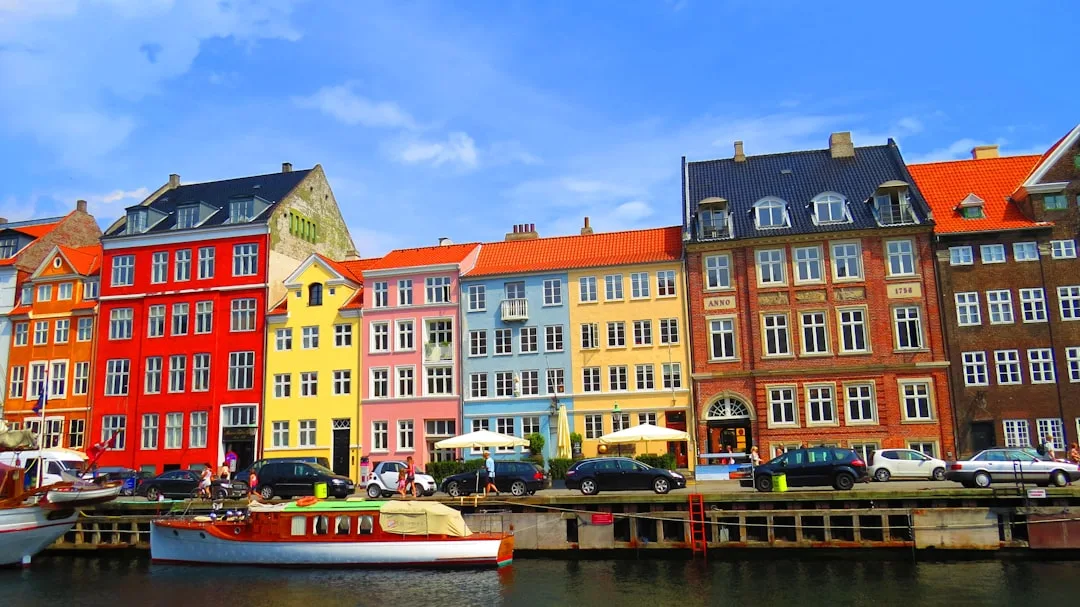
Denmark · Northern Europe
Copenhagen is Scandinavia's cycling heart—compact, design-savvy and ringed by historic waterfronts. Here's what you need to know before you go.
Nyhavn (New Harbor) is Copenhagen’s calling card—a 17th-century waterfront lined with impossibly photogenic townhouses painted in red, yellow, and orange. This was once a working harbor filled with sailors and merchants; today it’s restaurants, bars, and cafés packed into restored facades. Hans Christian Andersen lived at houses 18, 20, and 67—small bronze plaques mark each. Harbor cruises depart hourly for approximately 130 DKK and last one hour. Visit before 08:30 or after 18:00 to avoid the midday crush; between 12–15:00 the space becomes a tourist scrum and pickpockets work the crowd. Morning or evening light is far superior anyway.
Tivoli Gardens is the world’s second-oldest operating amusement park (opened 1843) and attracts over 4 million visitors annually. It’s not just rides—though those exist—but gardens, live concerts, restaurants, and an atmosphere of controlled enchantment. Admission 165 DKK; an all-rides wristband adds 295 DKK. The park operates seasonally (daily summer, weekends/events winter). Come at dusk when the lights ignite; the effect is theatrical and memorable.
Rosenborg Castle was built as a royal summer retreat and now houses Danish crown jewels, paintings, sculptures, and royal furnishings spanning centuries. Admission 135 DKK. The surrounding King’s Garden is free and offers a green escape—locals picnic here year-round, making it quieter and more authentic than major museums.
The Little Mermaid statue sits on a rock at Langelinie promenade. The 1913 bronze is smaller than expected and frankly underwhelming in person, but it remains iconic. Visit early (before 08:30) or late (after 18:00) to photograph without a crowd.
Christiansborg Palace is extraordinary: it houses the Danish Parliament, Supreme Court, and Ministry of State under one roof—the only government building in the world with all three branches. The 106-meter tower offers panoramic views to Sweden. Admission to tower approximately 70 DKK.
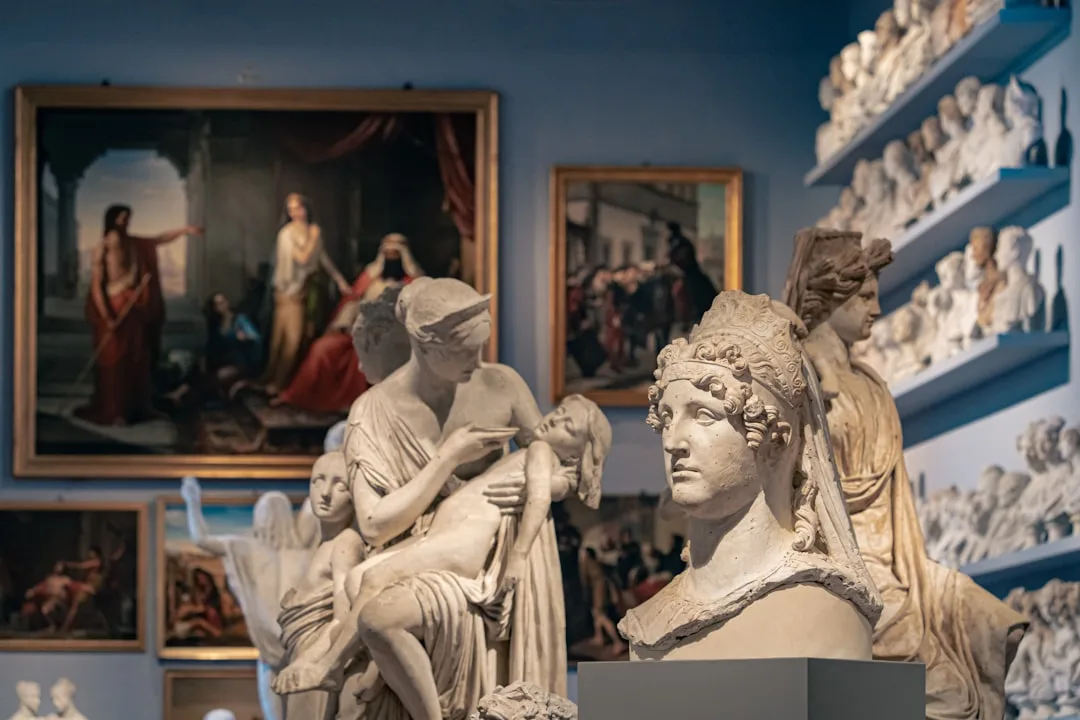
Ny Carlsberg Glyptotek houses Egyptian antiquities, classical sculpture, and European paintings from Rubens to Matisse. Admission 145 DKK (free Tuesdays). The architecture—a neoclassical palace with glass dome—rivals the collection.
Design Museum Danmark showcases Danish design and applied arts. Admission 135 DKK. Danish design philosophy (Arne Jacobsen chairs, Georg Jensen silver, Royal Copenhagen porcelain) emphasizes function over ornament—a national strength.
National Museum of Denmark covers Danish history from prehistory to present. Permanent collection is free; special exhibitions incur additional fees.
Louisiana Museum of Modern Art sits 35 kilometers north on the Danish Riviera coast and is reachable by regional train (the Kystbanen coastal line) in about 35 minutes. The museum occupies a historic manor on seaside cliffs; the collection spans contemporary art, the sculpture park offers coastal views, and the setting rivals the art itself. Admission approximately 120 DKK. Allow 4 hours minimum.
Kronborg Castle in Helsingør (45 km north, regional train on the Kystbanen line about 45 minutes, approximately 45 DKK) is famous as the setting for Hamlet. The Renaissance fortress (1585) offers museum rooms, guided tours, and a platform overlooking the Øresund strait to Sweden. Admission approximately 100 DKK. Combine with the medieval old town of Helsingør for a full day.
Møn Cliffs are dramatic white chalk cliffs on Denmark’s southern coast (1.5 hours by train south). The cliffs rise 70 meters and plunge to the sea—nature photography paradise. Access is free; follow designated paths along the rim. Pack a picnic; it’s a full-day excursion.
Roskilde Fjord hosted medieval Danish royalty and now offers boat tours through historic waters. The Roskilde Viking Ship Museum displays original Viking vessels and costs approximately 130 DKK. Take a regional train to Roskilde, then a bus to the museum (about 1 hour total from central Copenhagen).
Vesterbro was historically the red-light and meatpacking district; it’s now ground zero for alternative Copenhagen—street art, craft beer, experimental cuisine, galleries, and young locals. The main drag (Istedgade) and side streets reward wandering. Visit day or night; the bars and galleries stay busy either way. Easily walkable from city center (15–20 minutes).
Nørrebro is multicultural, artistic, and bohemian. Vintage shops, artist studios, a Saturday street market, and cafés cluster in a neighborhood that feels genuinely lived-in, not performed for tourists. It retains a rebellious reputation (1980s squatter movements) but is today very safe. Strikingly cheaper than Nyhavn for dining and drinks. This is where Copenhageners actually live.
Refshaleøen is a former shipyard island north of Christianshavn transformed into a cultural and innovation hub. Art galleries, startup bars, food trucks, modern architecture, and weekend street-food markets. Accessible by bike or foot (2 km from center). Far fewer tourists than historic attractions.
Harbor Baths (Islands Brygge, Fisketorvet) are free public swimming spots in the harbor—clean water, regularly tested, open summer months. In August (water warmth peaks at 18°C), these become social gathering points. Visit dawn or dusk to avoid the noon crowd. Winter closures apply.
Botanical Garden (University of Copenhagen, near Nørreport in the city center) holds 12,000 plant species under glass and in open beds. Free admission. Hours: daily 07:30–18:00 (winter until 16:30). Minimal tourists; maximum tranquility—ideal on hot days.
Assistens Cemetery (Assistens Kirkegård) in Nørrebro is one of Copenhagen’s oldest and a surprising refuge. It holds the graves of famous Danish writers, artists, and philosophers—Søren Kierkegaard and Hans Christian Andersen are both buried here. Free, park-like grounds with paths and benches. Atmospheric and quiet.
Copenhagen’s seasons are pronounced, making timing essential.
May through September is the practical window. May and September are optimal: temperatures 9–19°C, daylight lengthens, fewer tourists than June–August, prices lower. June–August are warmest (12–23°C) and most crowded—hotels 30–50% pricier, museums packed, Nyhavn shoulder-to-shoulder. Daylight is dramatic: sunrise 04:25, sunset 21:50 (nearly 18 hours daylight). This suits those who work early or want evening cycling.
March–April and October–November are shoulder seasons. Spring brings blossoms, 0–12°C temperatures, occasional rain. Autumn offers golden light, 3–14°C, fewer crowds, more precipitation—prime conditions for an autumn city break away from the peak-season crush.
December is Christmas market season—romantic, festive, and chaotic. Hotels 40–60% costlier, attractions queue-heavy, Tivoli glows with holiday lights. The catch: shortest days (sunrise 08:37, sunset 15:38 only) and gray weather. Light-sensitive travelers should avoid.
January–February are coldest (−1 to 3°C), quietest, cheapest (30–40% discounts). Snow is rare (average 20 days/year). Only 7 hours daylight—psychological challenge—but city feels lived-in, not touristified. Ideal for those seeking winter authenticity.
| Jan | Feb | Mar | Apr | May | Jun | Jul | Aug | Sep | Oct | Nov | Dec |
|---|---|---|---|---|---|---|---|---|---|---|---|
| Low | Low | Low | Sweet Spot | Sweet Spot | Peak | Peak | Peak | Sweet Spot | Sweet Spot | Low | Low |
3° -1° | 3° -1° | 7° 0° | 12° 4° | 17° 9° | 21° 12° | 23° 14° | 22° 14° | 19° 11° | 14° 7° | 8° 3° | 5° 0° |
Smørrebrød (open-faced sandwich) is Danish culinary identity—rye bread topped with cured fish, roasted meats, pickled vegetables, and sauces. Classics include smoked salmon with dill, roast beef with remoulade, meatballs with onions. Fine dining spots like Aamanns (Østerbro) deconstruct the tradition; traditional spots like Schønnemanns offer 100+ varieties. It’s a lunch thing; rarely eaten at dinner.
Coffee culture isn’t espresso speed-running but craft roasting. Cafés like Risteriet (where you roast your own green beans) or Kaffe Møller are pilgrimage sites for serious enthusiasts. Copenhagen’s third-wave coffee scene is globally respected, fiercely independent, utterly anti-corporate.
Cycling isn’t sport—it’s transport. Copenhageners bike to work, shops, dates, funerals. Rain, sleet, snow: they pedal anyway. Dedicated, segregated bike lanes exist everywhere. Behavior is rule-abiding and courteous (red lights stop you, pedestrians are respected)—unlike some European cities. Rental bikes (Donkey Republic, Bycyklen) cost approximately 30 DKK/day.
Hygge is impossible to translate but roughly means coziness plus warmth plus togetherness. Candles, hot drinks with friends, a quiet dinner while dark presses against windows. It’s anti-party, family-oriented, introvert-friendly. Most Copenhagen cafés market “hygge,” but the authentic version is lived, not sold.
Tipping is not obligatory (wages are high), but 10% rounding is respectful (e.g., 120 DKK bill → 130 DKK payment). Card terminals usually offer tipping options.
Greetings are direct. “Hej” (hi) is universal; “Ha det bra” (goodbye). Danish communication is efficient and straightforward, which can read as brisk to outsiders—it’s not rudeness, just clarity.
Avoid Nyhavn between 12–15:00. The crowd density is extreme, pickpockets work actively, and the vibe is chaotic. Visit before 08:30 or after 18:00—you’ll see the same harbor in peace.
Copenhagen is pricey for budget travelers. Hostel beds run 150–250 DKK/night; budget meals 80–150 DKK. Compared to other Northern European capitals, it’s expensive. Budget $150–200 USD/day minimum for frugal travel.
Winter daylight is psychologically demanding. December 21 has only 7.5 hours daylight (sunset 15:38). People with Seasonal Affective Disorder should avoid or bring light therapy.
The sea is cold year-round. Even August peaks at 18°C—uncomfortable for most Central Europeans. Harbor baths are hygienically certified but require mental fortitude.
Christmas markets (December) have the stalls and lights but are mobbed. Hotels spike 40–60%, waits are long, atmosphere is more commercial than magical. If you want festive without crush, visit November or early January.
Copenhagen Airport (Kastrup) sits 7 km south. Regional trains (DSB) run direct from the airport station to Central Station (København H) in about 13 minutes; tickets cost roughly 36 DKK from machines or the app. The Metro line M2 also connects the airport to the city center (Kongens Nytorv, Nørreport). Taxis cost 250–350 DKK—expensive for a solo traveler. Note that there is no S-train service to the airport.
Public transit (Hovedstaden region) is integrated: metro, trams, and S-trains. A 24-hour pass (CityPass) costs approximately 80 DKK; a weekly pass 240 DKK. Buy from machines, kiosks, or the DOT Tickets or Rejseplanen app (recommended). The metro runs until midnight on weekdays, 01:00 Fridays/Saturdays.
Cycling is primary transport. Rental bikes (Donkey Republic, Bycyklen) cost 30–50 DKK/day. Lanes are segregated and safe. Copenhageners bike rain or shine; so do visiting cyclists.
The city center is highly walkable. Nyhavn to Rosenborg: 15–20 minutes on foot. Major attractions cluster tightly, making the center well suited to a compact three-day city break; you can reach most sights without transit.
Taxis and Uber exist but are costly versus transit. A 5 km ride runs 80–120 DKK. Use only for heavy luggage or late night.
Denmark is EU and Schengen. German citizens need valid ID card or passport. No visa required. Documentation must be valid for your full stay—the six-month rule for non-EU travelers doesn’t apply to you, but carry a valid document for safety.
The Entry/Exit System (EES) has been rolling out since 12 October 2025. It applies only to third-country nationals (non-EU citizens), who register biometric data (fingerprints, photo) on entry and exit; it replaces the old passport-stamp method for this group. German and other EU citizens are not affected and cross the border as usual.
Non-EU citizens require a Schengen visa (application takes 4–6 weeks). Citizens of 59 visa-exempt countries (USA, UK, Canada, Australia, Japan, South Korea, etc.) receive 90 visa-free days per 180-day window.
Customs follow EU rules. Declare cash over 10,000 EUR. Otherwise, same regulations as Germany.
Your European Health Insurance Card (EHIC) is valid and covers necessary medical treatment. Private travel insurance isn’t mandatory but is recommended.
No mandatory vaccinations for EU citizens. For a city trip to Copenhagen, no special travel vaccinations are needed; routine immunizations (tetanus, diphtheria, polio) should be current, as they would be at home. Any notable tick-borne encephalitis (TBE) risk in Denmark is confined to the island of Bornholm, not Copenhagen.
Tap water is excellent—from local groundwater, unchlorinated, meets strict standards. Perfectly safe.
Copenhagen is very safe. Denmark ranks among the world’s most peaceful countries in the Global Peace Index and is one of the safest in Europe. The German Foreign Office issues routine terrorism alerts (feasible anywhere), but no specific elevated risk to Copenhagen. Petty theft clusters in Nyhavn and tourist zones—standard precautions (keep bag front, valuables in hotel) suffice.
The emergency hospital (Rigshospitalet) operates 24/7. Doctors speak English. Emergency number: 112 (English accepted).
Crime rates are low. Violent crime against tourists is vanishingly rare. Vesterbro and Nørrebro have “edgy” reputations (historical squatter movements, 1980s), but are entirely safe today.
Alcohol poisoning among tourists occurs (Nyhavn especially) but is self-inflicted. Drink responsibly, especially if solo.
Bike accidents are rare for visitors but possible. Follow traffic rules; ride defensively.
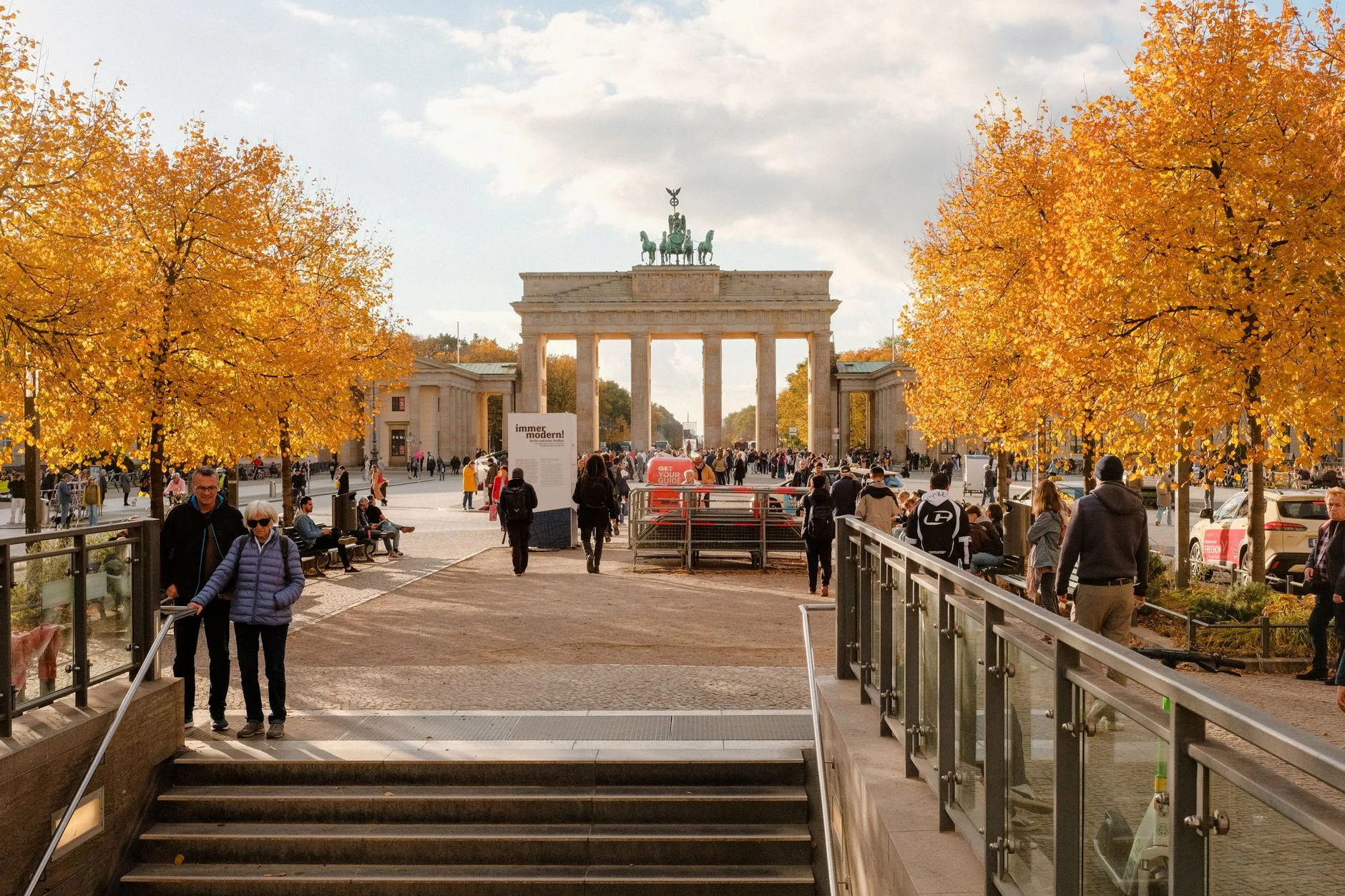
Discover Europe's cities in autumn without crowds. Architectural masterpieces and hidden gems for the culturally curious traveler.
Discover Europe's best cultural museums and galleries beyond the Louvre. Essential institutions and hidden gems across London, Vienna, Amsterdam, and more.
A short trip need not be superficial. With deliberate route planning, you discover the cultural and architectural substance of Europe in three days — not merely the facades.
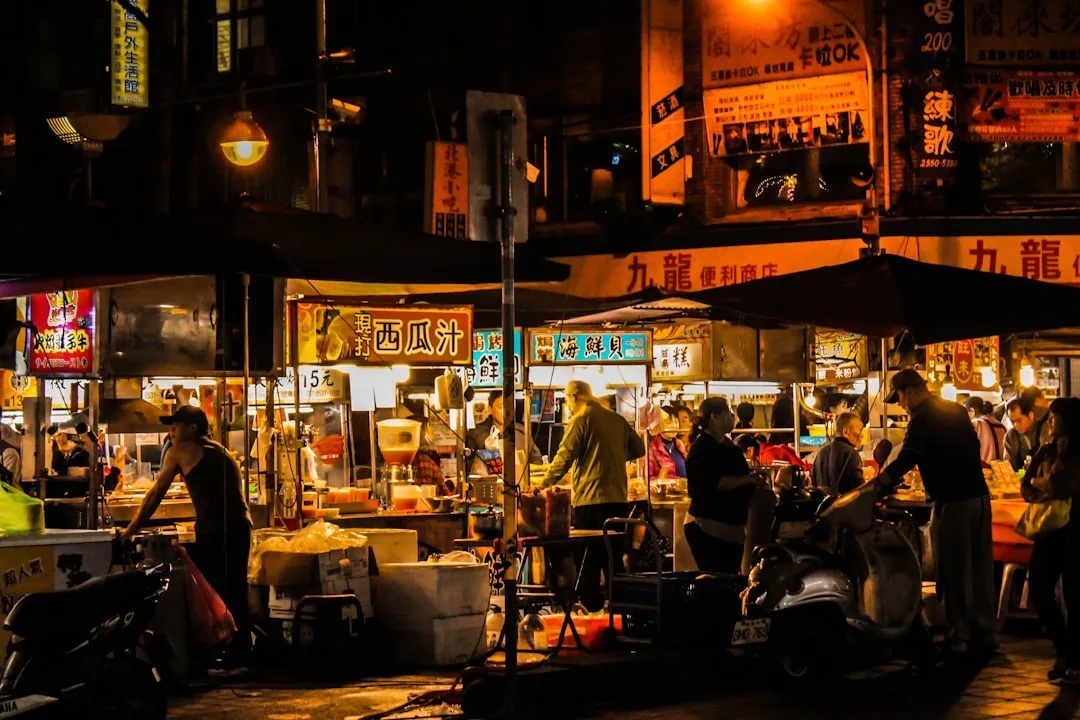
To truly understand a city, spend time in its markets. Street-food cultures reveal urban history, local identity, and social structures in immediate ways.