Budapest blends Ottoman bath culture, European elegance, and world-famous thermal baths along the Danube. Here's what matters before you book.
Top Attractions
The Parliament Building (Országház) dominates the Danube’s Pest shoreline and is Europe’s third-largest parliament building. Its neo-Gothic architecture with a 96-meter cupola has shaped the skyline since 1896. The interior gleams with gold ceiling details and houses the Hungarian Crown Jewels. Tours (in English) last 45 minutes; tickets start around $35 (approx. 11,000 HUF) online or onsite. Book ahead — visitor numbers are capped.
Fisherman’s Bastion (Halászbástya) on the Buda side offers the best views of the Danube and Parliament. Originally built by fishers in the 14th century, today it’s a tourist magnet. Entry is free; photo platforms and arcades are public. Magic hour for photos: sunset around 6–7 PM.
Matthias Church (Mátyás-templom) sits directly beside Fisherman’s Bastion and is one of Hungary’s oldest, most valuable religious buildings. Colorful roof tiles, Gothic vaults, layered history (Roman, Ottoman, Habsburg). Entry around $12 (approx. 3,800 HUF). Free concerts most evenings at 8 PM — check locally for current schedules.
Buda Castle (Budavári Palota) is a palace complex hosting multiple museums: Hungarian National Gallery, City Museum. Entry to the castle grounds is free; individual museums cost $6–12 (approx. 1,900–3,800 HUF) each. Real ravens live below the castle — a local peculiarity.
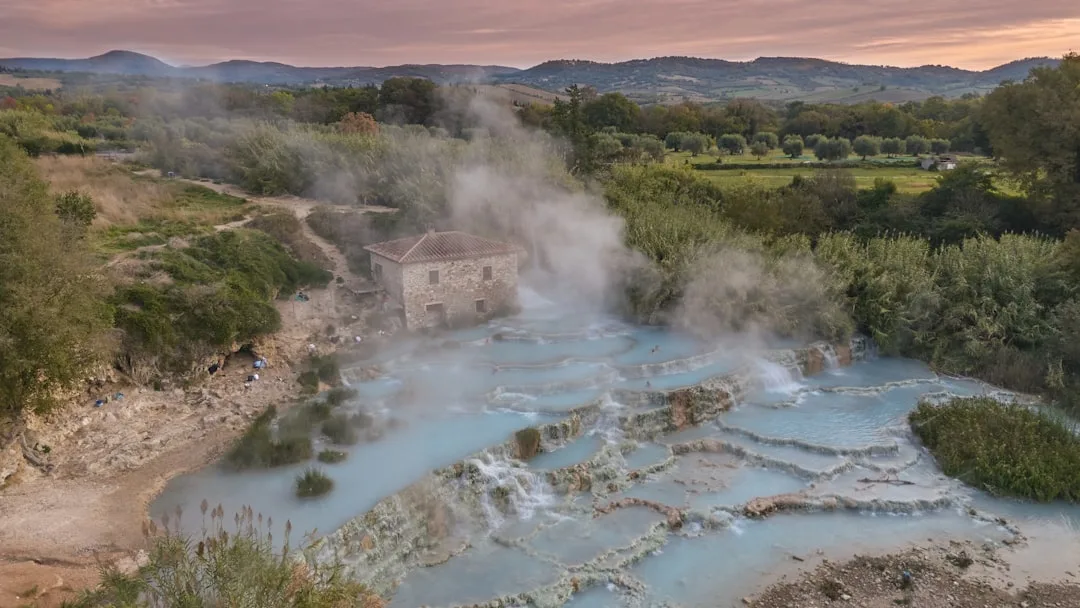
The thermal baths are Budapest stars. Széchenyi Bath (City Park) is the most famous and largest with 18 pools (varying temperatures). 2026 weekday entry with locker: around $32–42 (approx. 10,000–13,100 HUF) per person, a few dollars more on weekends; towel extra. Pro tip: go mornings before 10 AM or after 5 PM — midday is chaotic. The historic Gellért Bath (Gellért Hill) is more elegant, smaller, pricier ($38–48, approx. 11,900–15,000 HUF). The thermal water quality is therapeutically certified — rheumatism and muscle tension improve noticeably.
The Great Synagogue (Dohány utcai zsinagóga) in the Jewish Quarter is Europe’s largest synagogue and a memorial witness: Moorish exterior, ornate interior with organ. Entry around $14 (approx. 4,400 HUF). A typical visit takes 45 minutes. The attached Jewish Museum provides context on Hungarian Jewish history.
Day Trip Ideas
Esztergom lies 45 kilometers north of the city (45-minute train ride from Keleti Station) and was Hungary’s first Christian seat. The basilica dominates the old town and offers views across the Danube into Slovakia. Small downtown with restaurants. Full-day excursion: train–basilica–lunch–return.
The Danube Bend (Danube Knee) north of Budapest is where the river loops back on itself past vineyards and small villages. Bus ride from Pest (1 hour) leads to Visegrád (hilltop castle ruin with panoramas). Less touristy than Parliament, equally striking.
Dunakeszi is a former artists’ residence, now green recreational area with Danube beach and art galleries. Rapid transit HÉV (reached from Batthyány tér) costs $2–3 (approx. 630–940 HUF) per trip. Picnicking and hiking.
Hidden Gems
The Ruin Bars in the Jewish Quarter (Kazinczy Street, Ruin Café) are improvised taverns in crumbling multi-story buildings. Art installations, graffiti, live music. Less touristy than the thermal baths, more authentic. Tip: Friday nights around 9 PM is prime time — later gets loud and packed.
Memento Park houses Soviet-era monuments and statues — Lenins, Stalins, Worker Heroes. Outdoor open-air museum, around $11 (approx. 3,400 HUF) entry. A direct bus runs from Széll Kálmán tér (30 minutes; the square was renamed from Moszkva tér in 2011). Cultural contrast to Buda’s grandeur: melancholic and thought-provoking.
The Aquincum Ruins (excavated remains of the Roman settlement Aquincum) sit in north Buda’s Óbuda district. Open-air archaeology park with mosaic-tile museum. Entry around $9 (approx. 2,800 HUF). HÉV train to Aquincum Station. Quiet and culturally contemplative — opposite of midday tourist hordes.
Best Time to Visit
Budapest follows a continental climate: summers hot and sunny, winters cold and gray. Optimal travel periods are April through June and September through October. Temperatures are mild (59–75°F), the Danube glimmers blue, and visitor numbers are moderate. July and August are dry but overwhelmingly touristy — hotels expensive, restaurants packed, taxis with rigged meters.
Winter months are cool (often below 41°F) and dim, but fewer tourists mean more authentic encounters. Christmas markets run in November and December. Spring days lengthen quickly — perfect for Danube riverside strolls or a three-day European city break.
Best time to visit: Apr, May, Jun, Sep, Oct. Peak season: Jul, Aug.| Jan | Feb | Mar | Apr | May | Jun | Jul | Aug | Sep | Oct | Nov | Dec |
|---|
| Low | Low | Low | Sweet Spot | Sweet Spot | Sweet Spot | Peak | Peak | Sweet Spot | Sweet Spot | Low | Low |
4° -2° | 6° -1° | 12° 2° | 18° 8° | 23° 13° | 28° 16° | 29° 18° | 28° 17° | 24° 13° | 18° 8° | 11° 3° | 5° -1° |
- Peak Seasonbusy · high prices
- Sweet Spotideal weather · fewer crowds
- Low Seasonquiet · affordable · variable
Cultural Nuances
Budapest bears the Austro-Hungarian Empire’s legacy. The architecture, coffeehouse tradition, opera culture — all speak this history. The 19th century shapes today’s elegance on avenues like Andrássy — the same imperial thread you’ll recognize in nearby Vienna.
Thermal Bath Etiquette is its own culture: towel and bath shoes are mandatory. Drunk behavior is not tolerated. Bath shoes (often included) guard against foot fungus — important. Women have separate bathing zones in some baths (humidity ≠ nudity).
The Paprika Ritual: Hungarian paprika is not just seasoning but identity. Each dish has its “correct” paprika variety. Restaurant chefs debate origin and drying method seriously. You won’t taste differences as a newcomer — but locals are proud.
Music Culture runs deep. The Opera House (Andrássy Avenue) hosts performances most evenings. Classical concerts fill small halls. Gypsy music sounds in tourist restaurants — authentic? Debatable. But the tradition goes back centuries.
Things to Avoid
Don’t make cheeky jokes about paprika or Hungary. The country is politically divided; government criticism is tolerated, but foreign lectures are not welcomed. Be cautious with statements about refugee policy or LGBTQ issues.
Don’t visit the market hall around midday on your first trip. Overrun, overpriced, pickpocket-prone. Mornings before 10 AM are quieter and more authentic.
Don’t hail unmarked taxis. Rigged meters, longer routes, overcharges. Use only fleet taxis (Főtaxi, City Taxi) or app services (Uber, Bolt).
Don’t claim Hungary once belonged to Austria or Romania. National pride is tender.
Getting Around
Arrival: Ferenc Liszt Airport sits 16 kilometers southeast of downtown. Direct flights from Frankfurt and Munich take about 1.5 hours. There is no metro at the airport — the official airport bus 100E runs directly to Deák Ferenc tér in the city center (~40 minutes), where all three metro lines meet. The 100E requires a dedicated airport ticket, around $7 (approx. 2,200 HUF). Minibus shuttles (2–3 people) cost $28–35 (approx. 8,800–11,000 HUF) to hotels. Official taxi from the airport (Főtaxi booth in the terminal): around $40–55 (approx. 12,500–17,200 HUF) depending on destination.
In Town: Budapest has classic metro, tram, and bus systems. The Budapest Card (24/48/72 hours) costs around $28/39/50 (approx. 8,800/12,200/15,700 HUF) and includes unlimited metro, tram, bus access plus free entry to 33 museums and restaurant discounts. Single tickets cost around $2.20 (approx. 690 HUF) per trip. Three metro lines (M1, M2, M3) cover main tourist zones. Trams are romantic but slower. Night buses run after 11 PM on major routes.
Bikes: Budapest has around 350 kilometers of bike paths. The MOL Bubi bike-share system costs around $5.50 (approx. 1,700 HUF) per day (7 days ≈ $28, approx. 8,800 HUF). Relaxing transport on cool spring days.
Entry & Bureaucracy
EU/EEA and Swiss citizens need no visa; a valid ID card or passport is enough for Schengen-free access. Stays up to 90 days per 180-day period need no registration.
For longer stays (over 90 days), registration at the population office is mandatory — very bureaucratic, but feasible with accommodation proof and financial evidence.
Customs: No restrictions for EU travelers. Liquids (>100 ml) and electronics follow standard regulations. Prescription medications with original prescription and packaging — Hungarian customs accept German prescriptions in English descriptions.
Return to Germany: No COVID requirements since 2023. Standard baggage screening.
Health & Safety
Vaccinations: Standard shots (tetanus, diphtheria) recommended before travel. Hepatitis A is advisable. Budapest has good hospital chains (Duna Medical Centre, American Clinic). Prescription medications are pricier than Germany — pharmacies on every corner.
Tap Water: Safe to drink in Budapest — EU standard. In rural areas and older buildings, buy bottled water (1-liter bottles cost around $0.55, approx. 170 HUF, in supermarkets).
Safety: Crime rates are low. Main risks are pickpocketing in crowds (trains, markets, tourist zones) and assaults on empty streets after 10 PM. Women should not solo-walk remote areas like District 8 late at night. Police presence in tourist zones is good.
Emergency: Call 112 (police, ambulance, fire). English-speaking dispatchers available.