Wellness Treatments Compared: What Works Best
Five types of wellness offerings compared. What actually works, where the limits lie, and when it's worth your time and money.
TravelFeelings Editorial Team
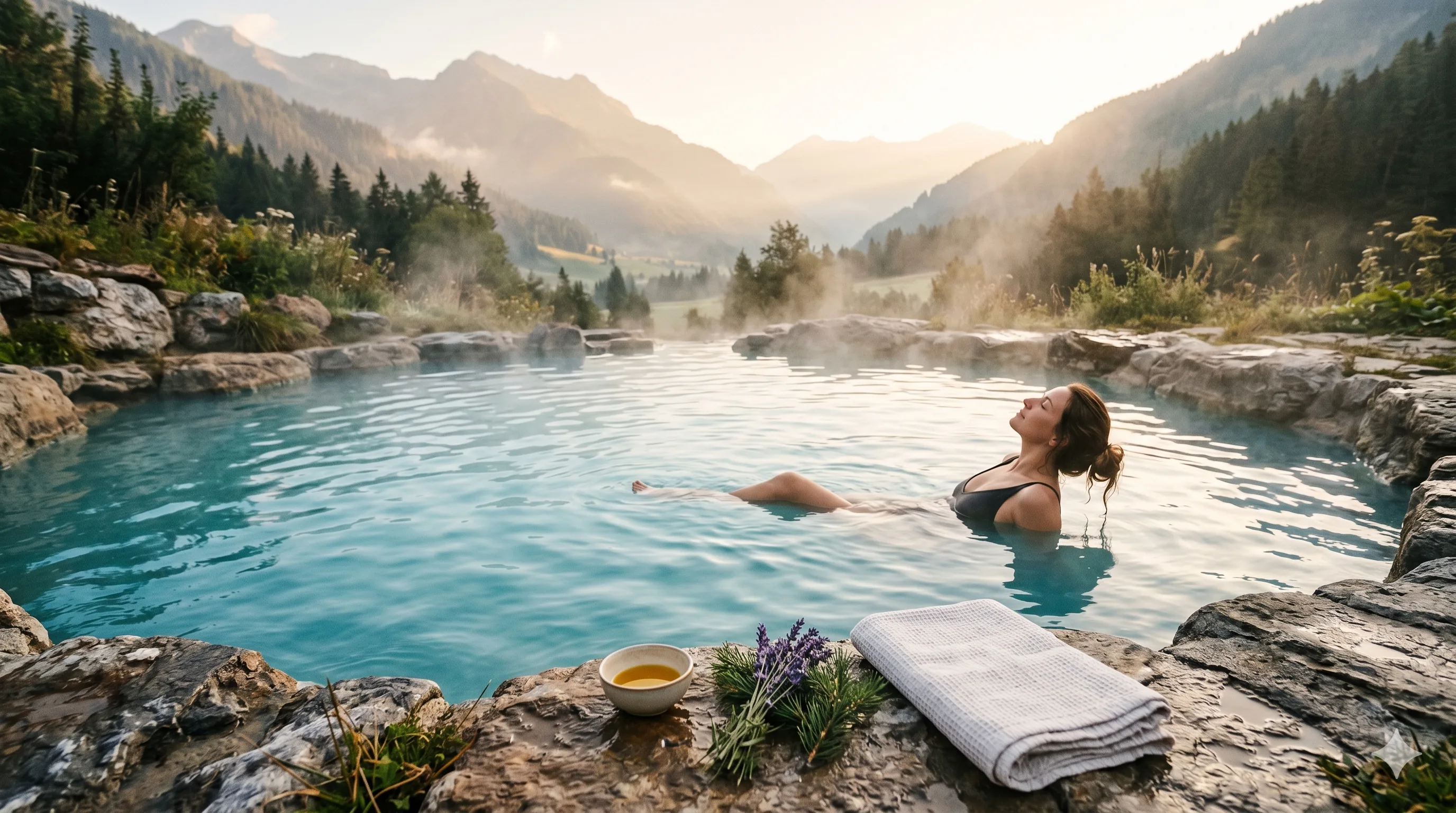
Wellness holidays carry a particular risk: the gap between promise and reality. Marketing speaks of transformation in three days; real therapy requires patience. Those serious about engaging with body and mind must know precisely what each offering delivers — and what it doesn’t.
I’ve experienced more than thirty wellness locations from the inside out. Not as a tourist passing through, but as a practitioner, staying several weeks at each place, observing deeply. The differences are stark. A spa weekend differs fundamentally from a two-week Ayurvedic cure, and a thermal bath is something else altogether. Here’s what I see consistently.
1. Thermal Baths: Simple, Effective, Underestimated
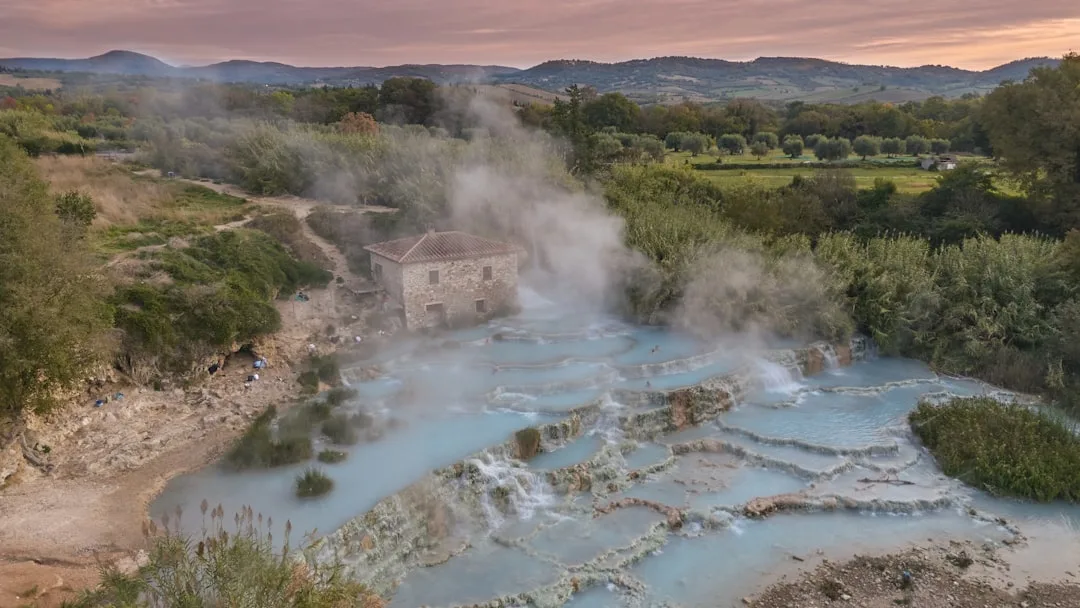
Europe’s thermal baths are home base for anyone who wants wellness without complication and in regular intervals. Széchenyi in Budapest, Therme Erding in Bavaria, Pamukkale in Turkey — these places work because they promise only what they deliver.
The principle is straightforward: mineral water from the earth, warmed to 68–100 degrees Fahrenheit, often enriched with silica, sulfur, lithium, or calcium depending on the source. The body responds. Skin becomes more supple, circulation activates, musculature relaxes. This is not mystical; it is biochemistry.
What I value about thermal baths: they don’t reinvent themselves as yoga temples. They are what they claim to be. A day visit costs $57 to $172 (approx. €50–€150) for full-day access including basic facilities. Specialized treatments like mud wraps or medical massage cost extra, but the core benefit sits in the water itself.
The challenge lies elsewhere: thermal baths are geographically bound, and quality varies. A poorly maintained pool with questionable water management differs fundamentally from a thermal center with medical oversight and diagnostic support.
Verdict: Efficient, scientifically sound, cost-effective. The classic choice for couples and solo travelers seeking genuine benefit without extensive logistical demands.
2. Hotel Spa Days: Quick Relaxation, Quick Departure
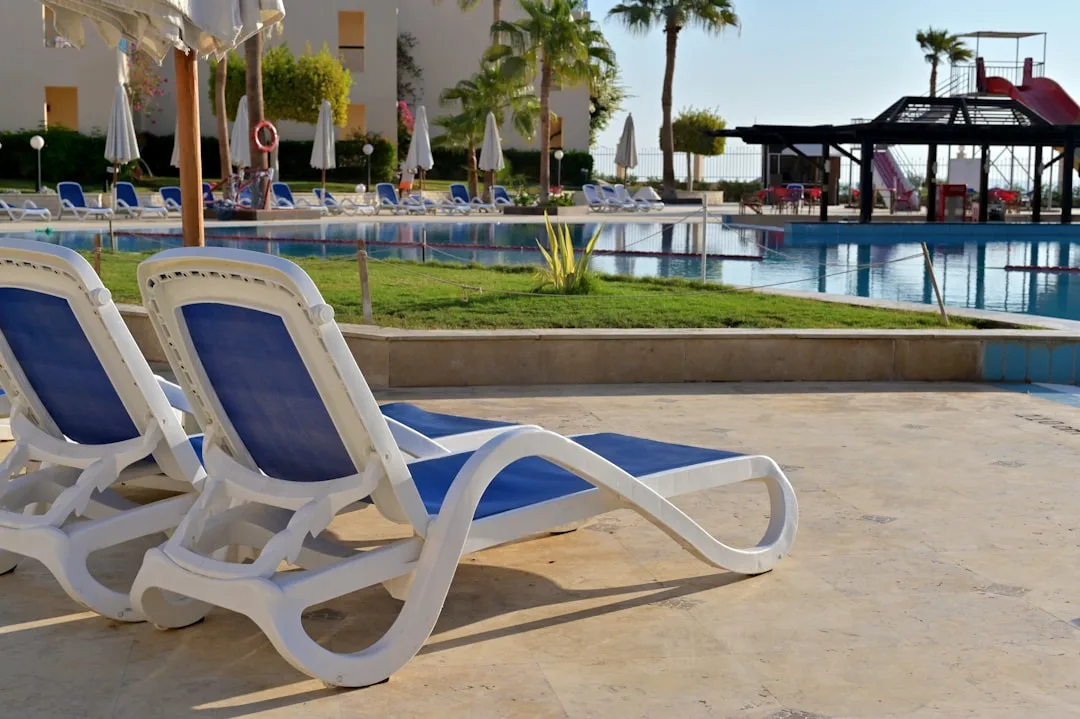
The standard spa day: arrive midday, undergo two or three treatments, dine, depart the following morning. Many hotels market this as a wellness weekend. That’s not inaccurate, yet it is not transformative.
A standard package costs $229 to $573 per person (approx. €200–€500), including accommodation, meals, and treatments such as massage, facial, and access to sauna and relaxation areas. For many, this is the first professional wellness contact, and that is entirely appropriate.
The therapists are often well-trained, sometimes excellent. But the context is fundamentally touristic. This means: many clients rotate through in brief windows. A proper massage requires fifty minutes to an hour and genuine quiet. A busy hotel spa rarely offers authentic silence.
Moreover, a spa day is not a therapeutic process. You can relax, release fascial tension, downshift your nervous system somewhat. But chronic tension, emotional blockages, somatized stress — these require sustained work over time.
This works as a couple’s retreat, a friends’ weekend, or a physical reset after a demanding quarter. It is not appropriate as a therapeutic intervention for deeper issues.
3. Ayurveda Cures: The Real Work
This is where precision becomes essential.
Ayurveda is a coherent medical system refined over millennia. Panchakarma, the classical purification cure, follows exacting logic: first stimulate the doshas (constitutional energies), then systematically perspire, flush, and regenerate. It works. I experienced it personally in a certified Panchakarma clinic in Kerala with a vaidya (Ayurvedic physician) carrying thirty years of practice.
But — and here is the subtlety — what Western resorts call “Panchakarma” is often oil massage, herbal enema, and tea. That is not Panchakarma. That is a spa with Sanskrit branding.
Authentic Panchakarma requires a minimum of ten to fourteen days, costs between $803 and $2,868 (approx. €700–€2,500) for treatments alone, and demands daily medical assessment via pulse reading, tongue diagnosis, and observational monitoring. You are purified daily, reassessed and adjusted each day. Your body signals change — elimination patterns shift, sleep normalizes, digestive fire restabilizes. A responsible clinic responds to these signals.
A resort offering Panchakarma in three days is not genuine. A retreat without an Ayurvedic physician is a wellness nightclub, not a clinic.
Choose this if you have a concrete health goal (digestive dysfunction, chronic stress, dermatological condition) and can invest two weeks. Authentic Panchakarma can recalibrate your nervous system at a foundational level.
4. Thalassotherapy: The Power of the Sea
Thalasso — therapy harnessing the sea. Seawater, algae, marine mud from the depths. This practice predates Ayurveda and operates on a similar principle: the body absorbs minerals it lacks.
A genuine thalassotherapy week costs from $659 (approx. €575) and ties you to coastal locations. Brittany (France), Portugal, Spain are classical regions. The advantage: thalassotherapy is well-researched scientifically. Seawater cleanses the skin, improves lymphatic circulation, strengthens immunity. For people with dermatological conditions, arthritis, or chronic infection, this is a serious option.
The limitation: geographic binding. Not all thalasso centers are equivalent. A facility offering saltwater baths three times daily differs fundamentally from a clinic combining algae wraps, mud treatments, and respiratory training.
This approach makes sense if you select an established center (thalasso institutes in France, Portugal), allow sufficient duration, and have a specific dermatological or immunological goal.
5. Medical Thermal Spas: The Premium Path
Austria and Bavaria offer something rare in such concentration: thermal baths under medical direction, combined with contemporary therapeutic methods. You encounter actual patients under treatment, not only tourists.
A one-week Mayr cure in Bad Ischl or Bad Bocklet (Bavaria) costs $2,294 to $11,470 (approx. €2,000–€10,000), including physician oversight, digestive diagnostics, nutritional adjustment, massage, and medical thermal water. This is not vacation in the conventional sense. It is an interventional cure.
Here you are weighed, measured, evaluated. You follow a protocol — not because it is comfortable but because it is effective. This is why people return. After three weeks of a Mayr cure, your body shifts. Not through spirituality but through structured medical work.
The constraint: time and cost investment are substantial. And it is not for everyone. Anyone wanting to sleep little and party hard will be misplaced.
This path works if you have chronic digestive dysfunction, overweight, or long-standing stress-related symptoms and can dedicate two to three weeks.
Which Type Fits You?
That depends on three things: your goal, your time, and your budget.
- Quick relaxation: thermal bath or spa day.
- Concrete health change: medical thermal spa or Ayurveda cure.
- Middle ground: thalassotherapy or combination (e.g., one week thermal bath plus individual massage sessions).
Most importantly: be honest with yourself about what you expect. A good wellness experience is one you don’t regret afterward because you understood yourself.