Best Nomad Cities: Internet & Co-Working
Which cities deliver reliable internet and productive co-working spaces? A comparison of five best nomad destinations in 2026.
TravelFeelings Editorial Team
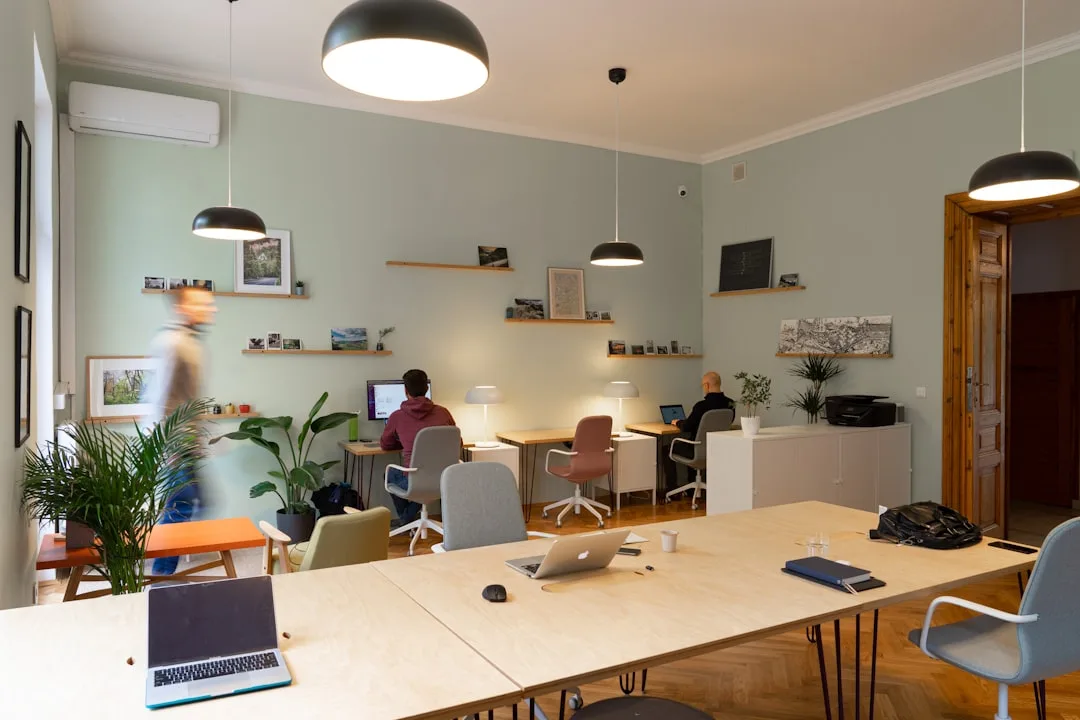
Most nomad guides start with visa length and flight price. That’s surface-level. If you’re actually working remotely long-term, you need to solve a different problem first: How stable is the internet when you have a 10 a.m. Zoom meeting with your Berlin team?
The real friction point for the nomad community is romanticization instead of data gathering. “Bali is beautiful” may be true, but it’s irrelevant to productive remote work. Here are five cities where internet redundancy, co-working infrastructure, and cost-value actually align.
Lisbon: The Established Number One
Lisbon has held the top nomad ranking for five consecutive years, and not by accident. The city delivers average download speeds of 120 megabits per second (Mbps)—more than sufficient for video calls, synchronous collaboration, and daily workflows. But the real signal is co-working density: Marvila has become a hotspot with over two dozen established spaces, pricing between $280 and $450 USD per month for full memberships.
What makes Lisbon special: the expat community is massive. This cuts both ways. On one hand, it means network effects and quick friendships. On the other, the density can feel exhausting if you need focused work.
Total monthly living costs hover around $1,500–$2,100. That’s expensive by nomad standards but cheap for Western Europeans with euro-equivalent salaries. Lisbon remains the safe choice for anyone needing complex, synchronous work with minimal downtime risk.
Seoul: Maximum Internet, Maximum Infrastructure
Seoul is the other pole. Download and upload speeds are 250 Mbps and 220 Mbps respectively—not just good, but the fastest in the world. That’s a signal that goes beyond hardware: the city has prioritized what nomads need.
But Seoul is expensive. Living costs range between $2,200 and $2,750 per month. Co-working spaces are highly professional, but memberships cost $330–$550 monthly. Premium price for a premium city.
Seoul is the right choice for phases where you’re handling bandwidth-sensitive work—high-resolution video production, frequent screensharing meetings across multiple time zones. Stability is top-tier, community is smaller but focused.
Chiang Mai: Budget Meets Productivity
Chiang Mai is where the modern digital nomad movement began—the Nimman district is still legendary. The city delivers internet speeds around 100 Mbps (well below Seoul, but completely sufficient), and co-working spaces cost about $110 per month—a tenth of Lisbon’s price.
That’s revealing because it exposes a trade-off: faster isn’t better when current speed is adequate. 100 Mbps is enough for video calls, file uploads, and collaboration tools. But what Chiang Mai also shows is stability risk. Thai internet can be reliable, but it’s also more fragile than European providers. That’s why a backup SIM (local mobile alternative) is necessary here, not optional.
Living costs run $880–$1,320 monthly. For people on tight budgets, Chiang Mai is a serious option. The community is large and established, but also mixed—many beginner nomads, fewer focused professionals.
Budapest: European Value Play
Budapest is underrated. Internet speeds are solid (150–180 Mbps average), and the city offers the best price-to-value ratio in Europe. Monthly costs between $1,870 and $2,310, co-working spaces $165–$275.
What sets Budapest apart: it’s a West-European city with East-European prices. That sounds like the best of both worlds, and in many ways it is. Infrastructure is reliable (German standard), the co-working scene is growing but not oversaturated like Lisbon.
The risk with Budapest is mobility: it’s a city where you want to stay. That can be productive or counterproductive, depending on whether you still need the nomadic element or are craving a home base.
Tallinn: Tech Infrastructure Above All
Tallinn might be a surprise, but Estonia’s capital deserves attention for digital nomads. Fiber internet is the standard, not the exception—average speeds are 180–220 Mbps. The Telliskivi Creative City is an established co-working ecosystem with pricing around $220 per month.
Living costs are moderate at roughly $1,430–$1,760 monthly. Tallinn is small and focused—that’s a feature for anyone needing concentrated work and fewer distractions.
The drawback: the weather is harsh (winters can be psychologically challenging), and the community is smaller than mega-hubs.
The Real Decision: Redundancy Over Speed
All five cities share a design principle that’s often overlooked: redundancy beats raw speed. A co-working space with 100 Mbps fiber and backup 5G is more productive than one with 300 Mbps that fails when weather hits.
That’s why experienced nomads carry Starlink Mini or similar solutions. One hour of downtime costs you sync meetings that won’t wait — that’s the real reason.
For video conferencing, you need a minimum of 25 Mbps download and 5 Mbps upload—that’s a hard floor. Every city in this review meets it. The differences lie in reliability, community quality, and value.
Recommended: pick the city that matches your current work phase. Are your meetings synchronous and bandwidth-sensitive? Seoul or Lisbon. Need budget room for other expenses? Chiang Mai. Looking for European stability with actual nomad vibe? Budapest.
The romantic narrative says: “Work from anywhere.” The reality says: “Work productively from somewhere—and for that, you need the right infrastructure.”